
Regions
Bodrum Travel Guide
144 places
From ancient Halicarnassus to the Mausoleum — one of the Seven Wonders of the World — from castles to coves, the Bodrum peninsula offers layer upon layer of history and nature.

Bodrum-Halikarnassos
Bodrum's ancient name is Halikarnassos, one of the most important centers of Carian civilization. It once hosted the Mausoleion, one of the Seven Wonders of the ancient world, and was also the birthplace of Herodotus. Today, this ancient city, still living within modern Bodrum, presents a unique open-air stage of history where past and present intertwine.

Mausoleion
Mausoleion is a monumental tomb built in the 4th century BCE by Artemisia for her husband Mausolos, Satrap of Caria. Recognized as one of the Seven Wonders of the Ancient World, this structure stands as one of the most impressive examples of architectural and sculptural artistry in history. Today, the word "mausoleum" itself takes its name from this monument.

Bodrum Castle
Bodrum Castle, built in the 15th century by the Knights of St. John, stands as an important structure elevated with stones taken from the ruins of ancient Halikarnassos. Both a powerful example of medieval defensive architecture and a cultural center that today houses one of the world's most significant underwater archaeology museums, Bodrum Castle is a living testament to centuries of history.

Bodrum Ancient Theatre
The Bodrum Ancient Theatre is one of the best-preserved structures of ancient Halikarnassos. Dating back to the 4th century BC, this building had a capacity of approximately 13,000 people and was one of the era's most important public venues. Built on a hillside, the theatre uniquely combines views of both the stage and Bodrum's spectacular sea panorama. Today, this special place still hosts concerts and events, bringing past and present together on the same stage.

Eski Çarşı — Bodrum's Heart
Bodrum Eski Çarşı, stretching between the Castle and Kumbahçe, is one of the city's most vibrant and characteristic areas. These streets, which are a continuation of the ancient Halikarnassos harbor and trade route, present a colorful center where traditional architecture, local craftsmanship, and social life are all beautifully interwoven.

Bodrum Market

Zeki Müren Art Museum
The Zeki Müren Museum is the former home of Zeki Müren, a legendary figure in Turkish art music, transformed into a museum in Bodrum. This space, where the artist's stage costumes, personal belongings, and awards are displayed, is an important destination that sheds light on both music history and Bodrum's cultural life.

Myndos Gate
Myndos Gate was one of ancient Halikarnassos's main western entrances and a crucial part of the city's defensive system. During Alexander the Great's siege in 334 BCE, this gate witnessed fierce battles and stands as a powerful example of ancient military architecture with its walls, towers, and ditch system.

Ottoman Shipyard
The Ottoman Shipyard is an important production and maintenance center established in 18th-century Bodrum for maritime activities. Used for shipbuilding and repair, this shipyard reflects Bodrum's strategic naval power during the Ottoman period and remains a historical heritage site open to visitors today.

Bodrum Windmills
The Bodrum Windmills are stone structures built on the peninsula's windswept hills since the 18th century, once used to grind wheat and barley. Located between Bodrum and Gümbet, these mills stand as important symbols reflecting the region's traditional production and way of life.

Pedasa Ancient City
Pedasa is one of the oldest settlements on the Bodrum Peninsula, founded by the Lelege people. Built atop a high hill, the city stands out for its fortification walls and a sacred sanctuary dedicated to Athena. With its harmonious blend with nature, Pedasa is an important archaeological site bearing traces of the region's earliest settlements.

Sandıma-Yalıkavak
Sandima is an ancient stone village located above Yalıkavak, where a Greek population once lived. Abandoned after the population exchange, this settlement has been preserved to this day with its natural character and authentic architecture intact. With its elevated position and impressive views, Sandima is one of Bodrum's most peaceful and history-laden spots.

Gümüşlük
Myndos was an important harbor city during the Carian period and is known today as Gümüşlük. This settlement, which stands out with its natural harbor and ancient ruins in the sea, has been a vital center of trade and maritime activity throughout history. Today, it is a special place where ancient heritage meets peaceful coastal living.
Garaova (Karaova) Agricultural Park
The official starting point of the Agro Bodrum Route in Bodrum's rural heartland. A welcome and experience center where carpet-weaving, beekeeping, olive cultivation, and local production converge.
Barbaros Farm
A 155-hectare sustainable living center: greenhouses, olive groves, vegetable gardens, composting units, workshops, and a "farm-to-table" kitchen.
Vinbodrum — Bodrum Winery (Kızılağaç)
A small-scale boutique vineyard and winery nestled on slopes overlooking Karaova Valley. One of the symbolic stops in Bodrum's newly flourishing wine-making culture.
Selia Farm (Karnas)
A 165-decare farm in Çömlekçi village where grapes and olives are grown together; known for its boutique wines under the "Karnas" label.
Çömlekçi Village
A traditional Bodrum village where Yörük and Aegean cultures blend, with livelihoods rooted in greenhouse farming, olive cultivation, beekeeping, and carpet weaving.
Mumcular and Dam Lake
The central settlement of Karaova Valley; known for its peaceful walking routes surrounded by olive groves and vineyards, with views of the dam lake.
Kızılağaç and Yalıçiftlik Villages
Authentic villages with stone houses, fig-olive orchards, and forest trails—the "backyard of Bodrum".
Bodrum Mandarin Orchards
Mandarin groves that define Bodrum's geographical identity; an agricultural heritage spread across the peninsula's western plains.
Termera Ancient City (Asarlık)
An ancient Leleg-Carian city rising on Asarlık Hill in the southwestern part of the peninsula.
Müsgebi Miken Necropolis (Ortakent)
Near Ortakent-Yahşi, a necropolis of Mycenaean chamber tombs dating to the Late Bronze Age.
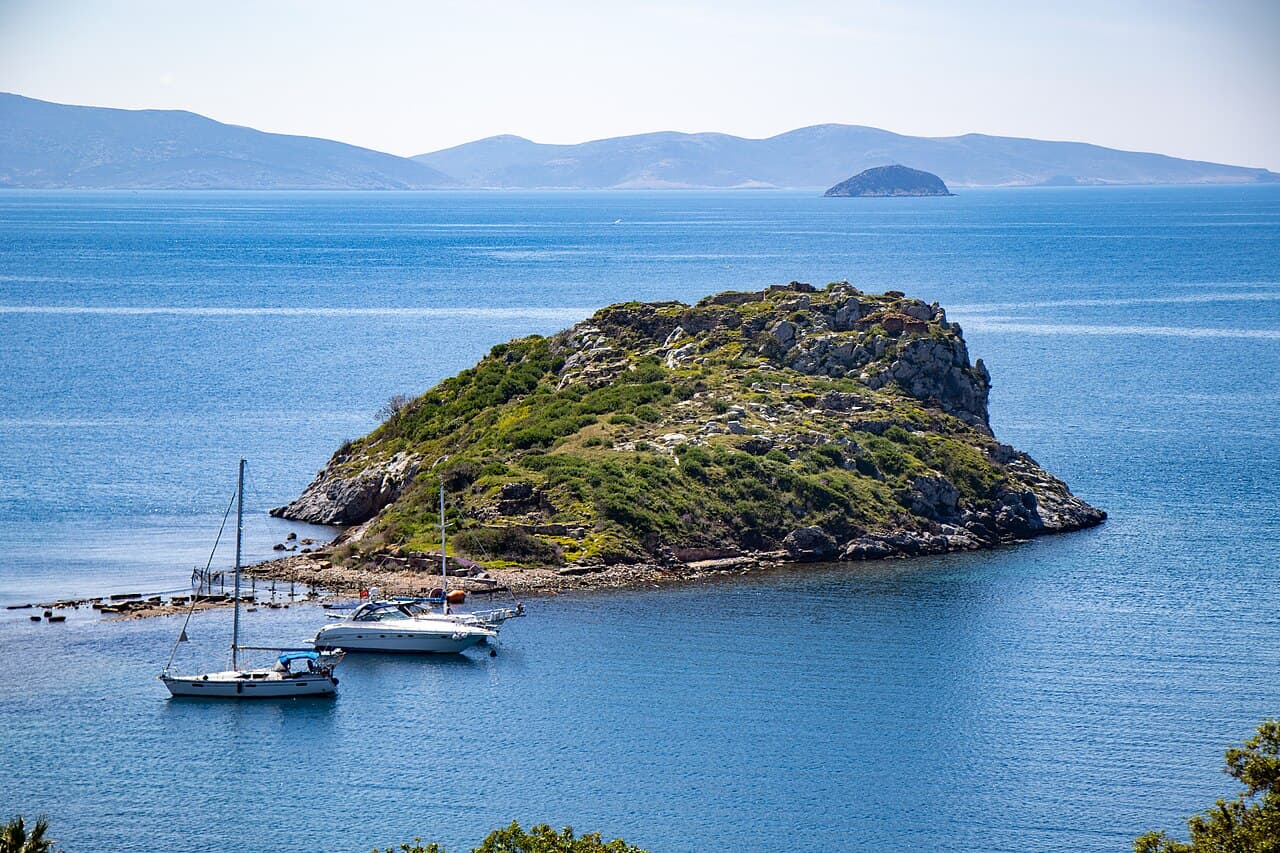
Tavşan Island and Myndos Ancient Harbor
A shallow-passage island stretching into the harbor of ancient Myndos, nestled along the Gümüşlük waterfront.
Aspat (Strobilos) Castle
A multi-layered Byzantine fortress rising atop a cone-shaped hill in Akyarlar, commanding views of the coast.
Kadıkalesi (Turgutreis)
A charming coastal town on the shores of Turgutreis, known for its fortress ruins perched on a hilltop and spectacular sunsets.
Kissebükü (Anastasioupolis) Byzantine Settlement
An early Christian settlement established directly during the Byzantine period, nestled near Mazı village with no pre-existing ancient city beneath it.
Apostol (Küçük Tavşan) Island — Gündoğan
A small island off the coast of Gündoğan, crowned with a Byzantine church dating back to the 6th century.
Etrim Village (Yörük Carpet Village)
A village in Bodrum's interior that preserves the Yörük carpet-weaving tradition.
Old Karakaya Village (Yalıkavak)
Perched above Gümüşlük, this stone village is one of the peninsula's oldest settlements.
Dibeklihan Culture and Art Village (Ortakent)
A cultural and arts village in Ortakent comprising galleries, workshops, and an ethnography museum.
Bodrum Maritime Museum
A museum housed in the historic Bedesten building that tells the story of Bodrum's maritime culture.
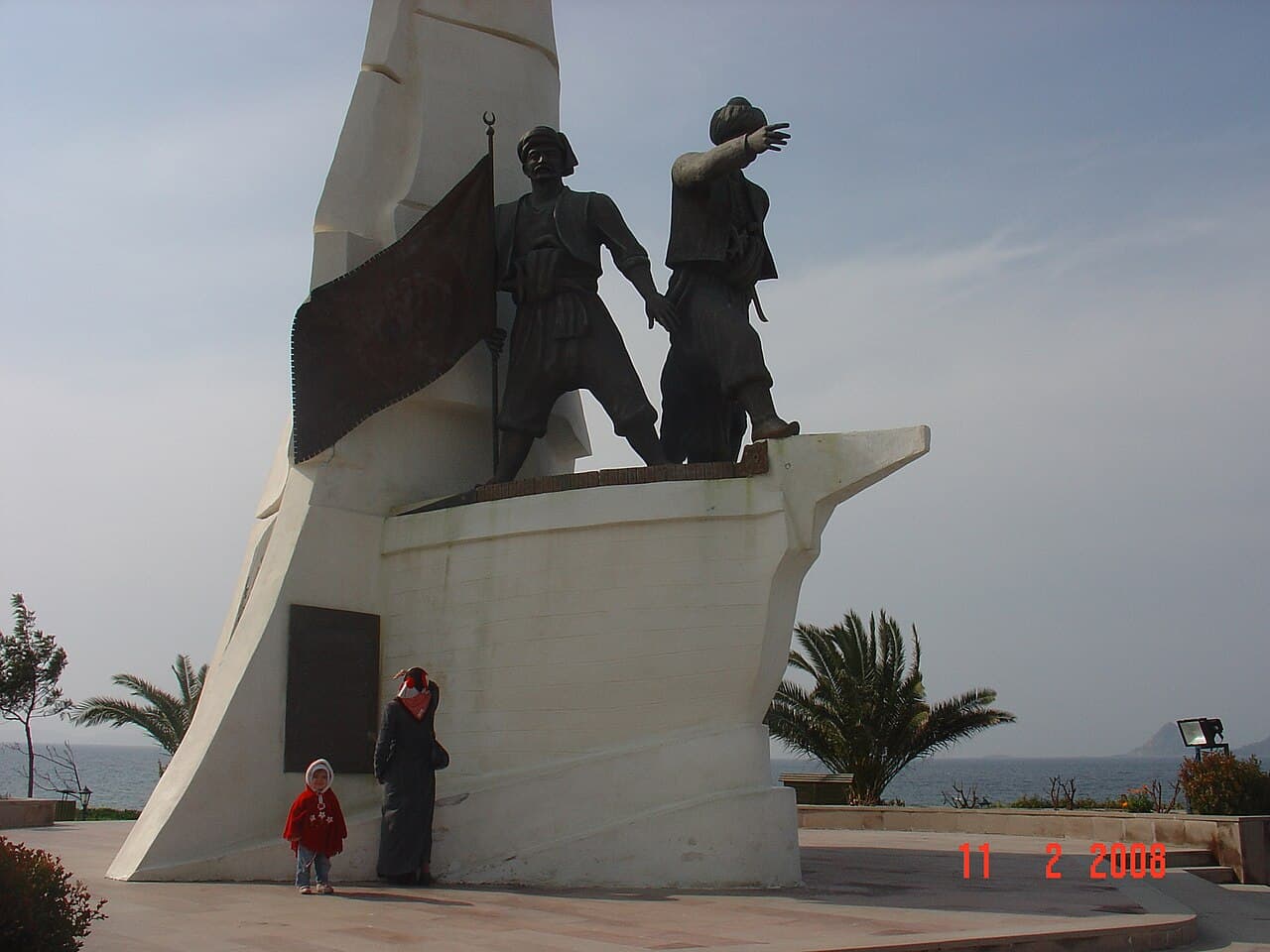
Turgut Reis Monument (Turgutreis)
A statue and park on the Turgutreis waterfront honoring Ottoman admiral Turgut Reis.
Karaada (Kara Ada) and Its Hot Springs
An island off the coast of Bodrum, known for its natural hot spring emerging from a sea cave and therapeutic mud baths.

Bitez Cove
A tranquil, shallow cove nestled among mandarin orchards, where gentle waters meet peaceful shores.
Bağla and Karaincir Coves (Akyarlar)
Two natural, fine-sand coves around Akyarlar, sheltered and serene.
Bardakçı Cove
A natural cove just west of central Bodrum, intimately connected with the legend of Halikarnas the Fisherman.
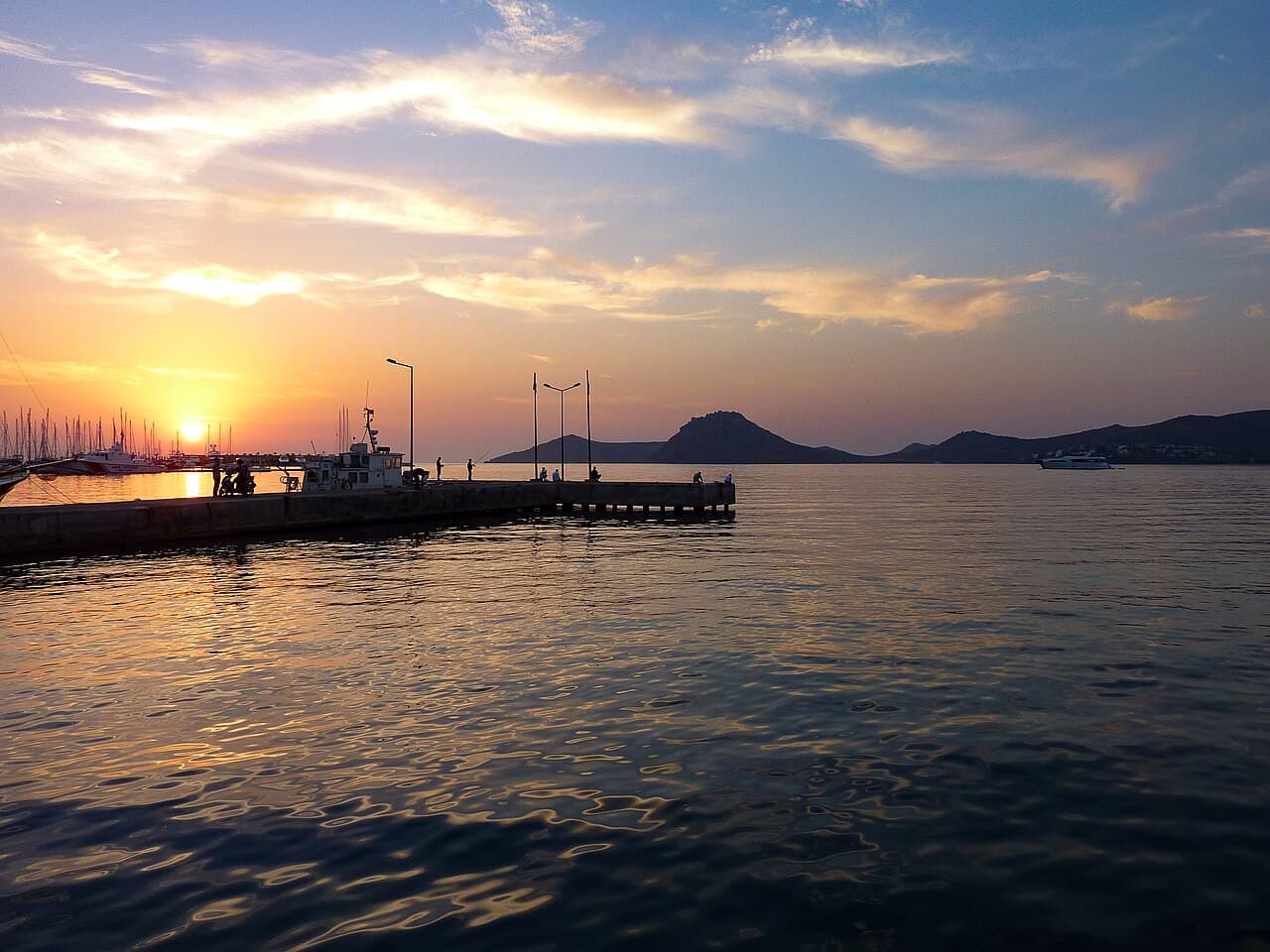
Yalıkavak Marina (Palmarina)
A superyacht marina and waterfront shopping and lifestyle destination in Yalıkavak.

Gümbet Cove
A coastal village near central Bodrum, known for water sports and vibrant waterfront life.
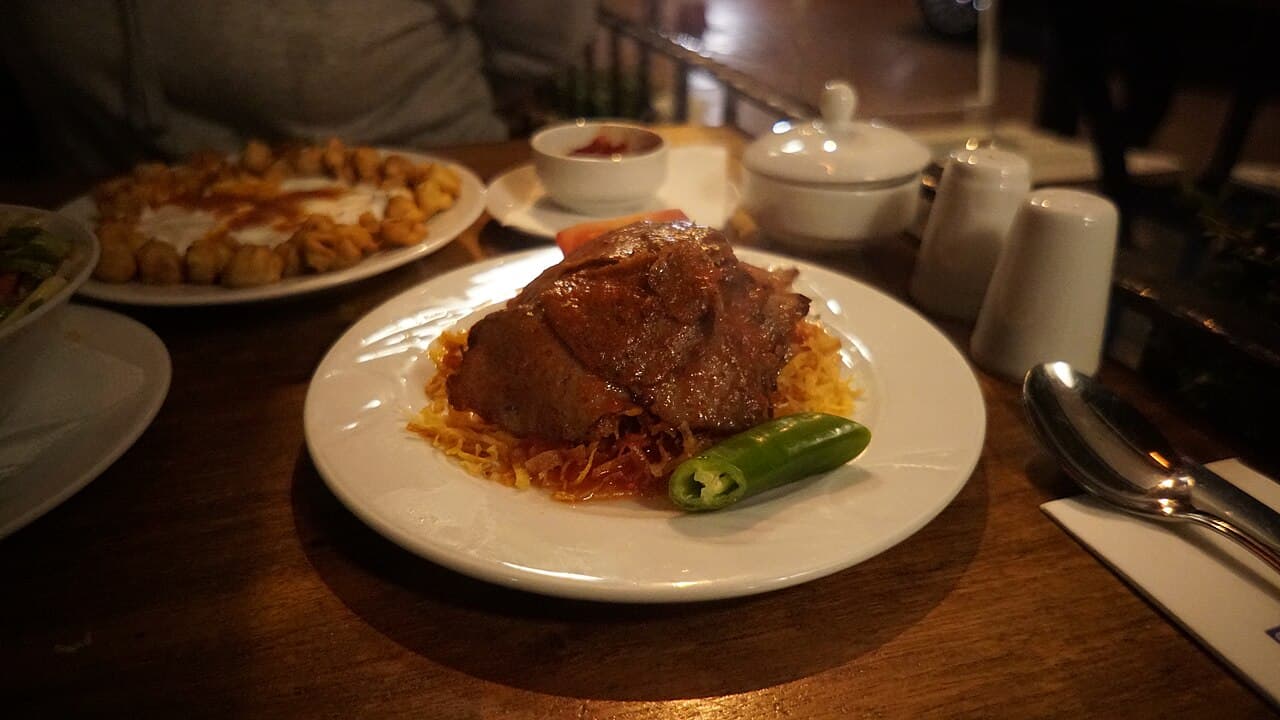
Çökertme Kebab
A regional kebab made with crispy shoestring potatoes, grilled beef, and garlic yogurt, a signature dish of the Muğla-Bodrum-Milas region.
Bodrum Central Textile Market (Tuesday)
A large textile-focused market set up around the bus station, offering fabrics, curtains, surplus branded clothing, beachwear, and towels.

Bodrum Central Vegetable and Fruit Market (Friday)
The district's largest food market, set up in the same area as the textile market, bustling with fresh produce every Friday.
Konacık Market (Friday)
A neighborhood market in Konacık, specializing in fresh produce and household goods.
Gümbet Market (Pazar)
A vegetable and sundries market that sets up in Gümbet every Sunday.
Bitez Market (Thursday)
A weekly market in Bitez specializing in fresh produce and fresh food items.
Ortakent / Yahşi Market (Wednesday)
A local producers and handmade goods market in Ortakent-Yahşi (including the Müsgebi vegetable market).
Turgutreis Market (Saturday)
One of the peninsula's largest and most diverse markets, offering both fresh produce and textiles.
Gümüşlük Market (Wednesday)
A charming small local farmers' market in Gümüşlük.
Yalıkavak Vegetable Market (Tuesdays)
Within walking distance of Yalıkavak bazaar, this established vegetable market is a local institution.
Yalıkavak Clothing (Social) Market (Thursday)
Bodrum's "social market," a popular clothing bazaar known for its fashionable offerings and vibrant atmosphere.
Yalıkavak Flea Market (Saturdays)
A nostalgia market where vinyl records, books, and retro objects find new homes every Saturday.
Gündoğan Market (Wednesday)
A vegetable, fruit, and local produce market in Gündoğan.
Türkbükü Market (Monday)
A weekly market held on the Türkbükü side of Göltürkbükü on Mondays.
Gölköy (Göltürkbükü) Vegetable Market (Tuesday)
A vibrant vegetable market set up on the Gölköy side of Göltürkbükü.
Mumcular Market (Pazar)
The weekly market of Mumcular, a town in the interior, held every Sunday with fresh produce and local goods.
Akyarlar Market (Thursday)
A vegetable market held in Akyarlar, which belongs to Turgutreis.
Kızılağaç Market (Pazar)
A fresh produce market in Kızılağaç, filled with vegetables and fruits.
Güvercinlik Market (Monday)
A vibrant produce and food market in Güvercinlik, held every Monday.
Yalıçiftlik Market (Friday)
A weekly market held in Yalıçiftlik.
Mazı Village Market (Friday - unverified)
A village market in Mazı where handwoven textiles and local products are sold.
Torba Market (Thursday - unconfirmed source)
A weekly market set up near Torba's harbor, offering fresh produce and local goods.
Kumbahçe Beach (Kumbahçe Shoreline)
A historic shoreline stretching through the heart of the city, just east of Bodrum Castle.
Milta Bodrum Marina
Established in 1976, Bodrum's prestigious yacht harbor and vibrant social hub.
Adliye Mosque (Hamidiye / Yeni Mosque)
The last mosque built in Bodrum during the Ottoman period; constructed in 1901.
Tepecik Mosque
A historic waterfront mosque built in 1735 atop an ancient agora.
İskele Square Fountain (Bazaar Fountain)
An Ottoman fountain from 1883-1884 according to its inscription, located in the heart of Bodrum's bazaar district.
Salmakis Spring and the Legend of Hermaphroditos
An ancient spring on Kaplan Kalesi Cape with a famous mythological tale from Halikarnassos.
Republic Street (Bars Street)
The famous street that has been the heart of Bodrum's nightlife since the 1980s.
Bodrum's Whitewashed Houses with Blue Windows
The iconic whitewashed stone architecture with blue doors and windows that defines the character of this charming town.
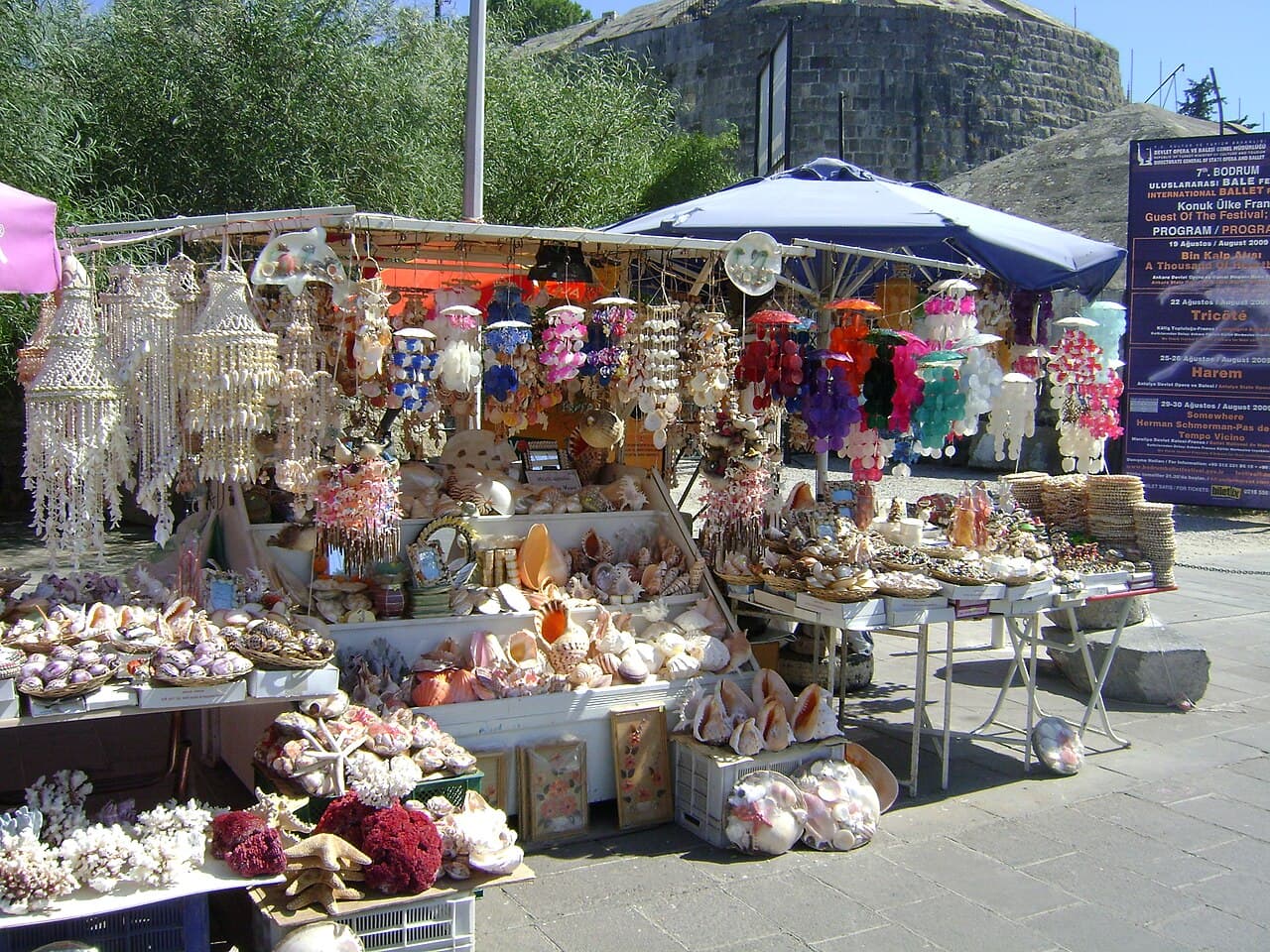
Sponge Diving Culture and Heritage
Traditional sponge diving, the lifeblood of Bodrum before modern tourism, once sustained the entire coastal community.
Bodrum Mandarin: Turkish Delight and Jam
Awarded geographical indication status in 2009, this locally-sourced juicy-seeded mandarin and its delightful derivatives are a regional treasure.
Goat Milk and Mastic Ice Cream
Natural ice cream made with local goat milk, mandarin, fig, and mastic—a traditional treat from the Bodrum region.
Gümbet: The Historic Kümbet Cisterns
The dome-shaped historic rainwater cisterns that lent their name to the neighborhood.
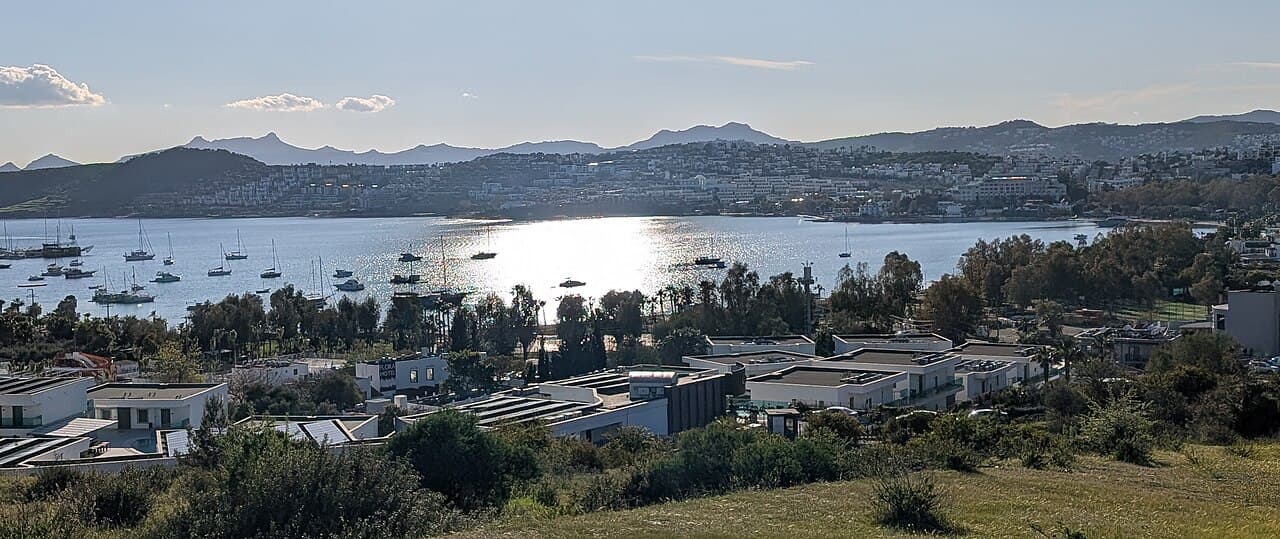
Gümbet Windmills Sunset Viewpoint
A celebrated sunset ridge overlooking both the Bardakçı-Bodrum and sparkling Gümbet Bay views.
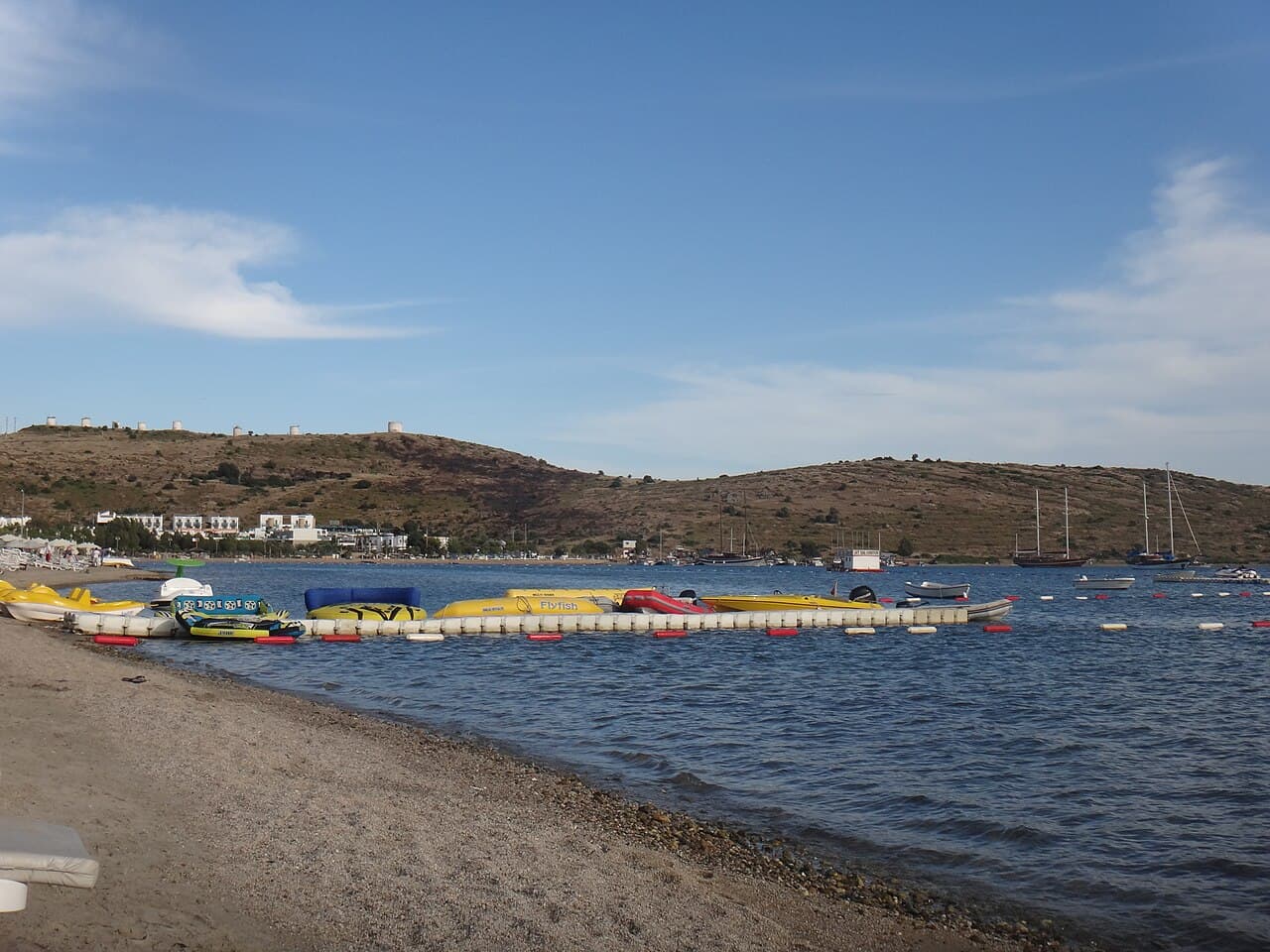
Gümbet Water Sports Centre
A hub for water sports where you can enjoy jet skiing, parasailing, and much more.
Gümbet Bar Street (Nightlife)
The beating heart of Gümbet's entertainment scene, lined with bars, pubs, and nightclubs.
Gümbet Cove - Seafood and Coastal Cuisine
Beachfront restaurants lining the cove serving fresh seafood and Aegean cuisine.
Gara Church (Rum Gara Chapel, Bitez Vineyards)
Early Christian church/chapel ruins nestled among Bitez's vineyards and olive groves, known for its dolphin mosaics.
Bitez Windsurfing and Water Sports Culture
One of Turkey's premier windsurfing destinations; schools and championships in this sheltered bay with gentle breezes.
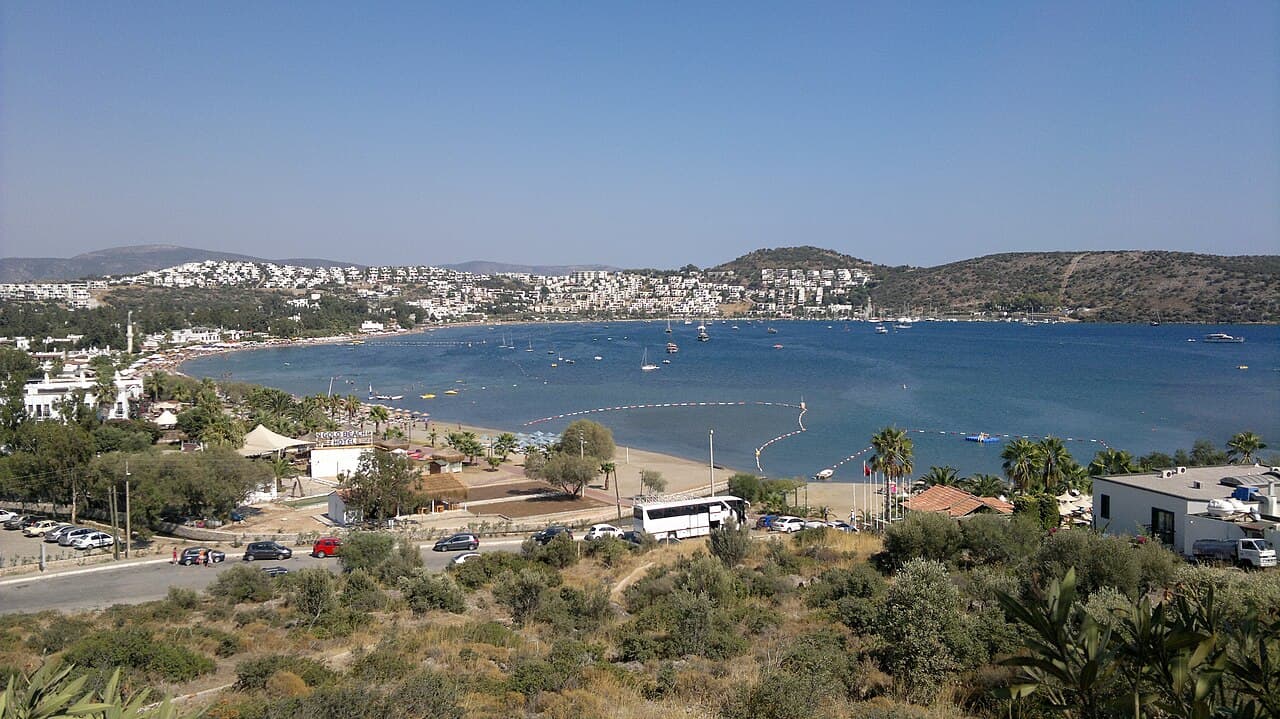
Bitez Coastal Walk (Orange Tree Promenade)
A long coastal walk stretching along the bay, shaded by fragrant orange and mandarin trees.
Bitez - Adaboğazı / Akvaryum Bay Trail
An easy trekking route starting from Bitez, passing through mandarin orchards and coastal paths toward Adaboğazı (Akvaryum Koyu).
Bitez/Ortakent Village Breakfast Tradition
An authentic village breakfast culture founded on garden produce, homemade preserves, and olive oil-dressed herbs.
Mustafa Paşa Tower (Ortakent Tower House)
A three-storey stone tower house dating from the 17th century, one of the oldest surviving tower houses on the Bodrum Peninsula.
Yahşi Beach (Ortakent Yahşi Public Beach)
A spacious, fine-sand beach with shallow waters, awarded the Blue Flag and perfect for families.
Yağhane Bodrum
A beautifully restored 19th-century olive press in Ortakent; now a boutique café-wine house serving olive oil, olives, and local artisanal products.
Ortakent-Yahşi Olive Oil and Citrus Gardens Culture
Local production rooted in the region's olive oil tradition and remarkable diversity of citrus and fruit varieties beyond mandarins.
Aegean Olive-Oil Dishes and Fresh Cowpeas
Fresh cowpeas and the olive oil vegetable tradition stand out in Aegean and Bodrum cuisine.
Pedasa Ancient City (Lelegian Settlement, Gökçeler)
A walled ancient city founded by the Telegs and dedicated to Athena, nestled in forested hills above Konacık with its impressive temple ruins.
Torba Byzantine Monastery
The remains of a Byzantine-era monastery nestled on the eastern slope of Torba Bay.
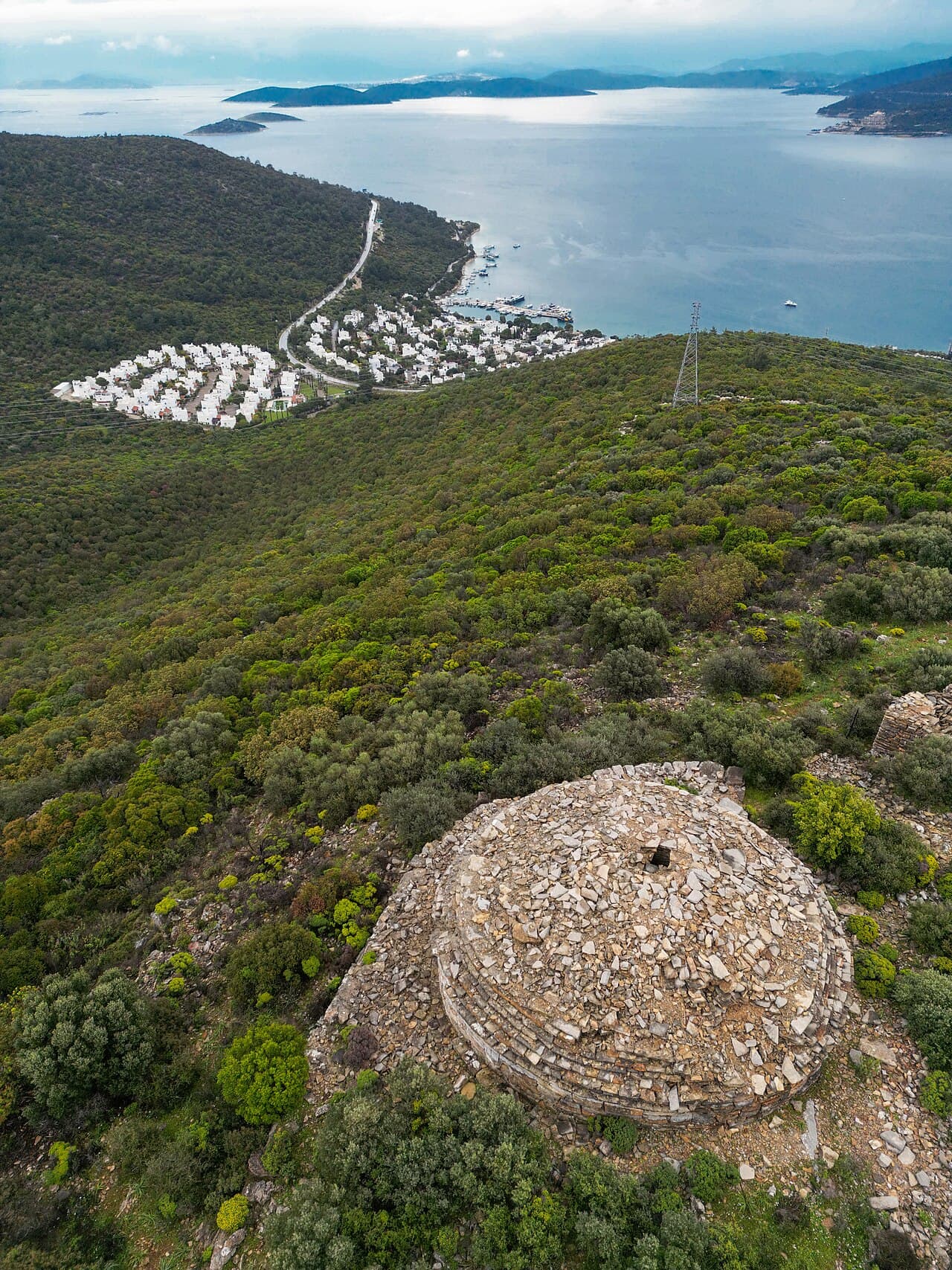
Gebe Kilise (Torba-Pedasa Trail)
Despite its name, this is not a church but rather a historic tomb/tumulus along the Torba-Pedasa walking trail—a fascinating waypoint rich with millennia-old history.
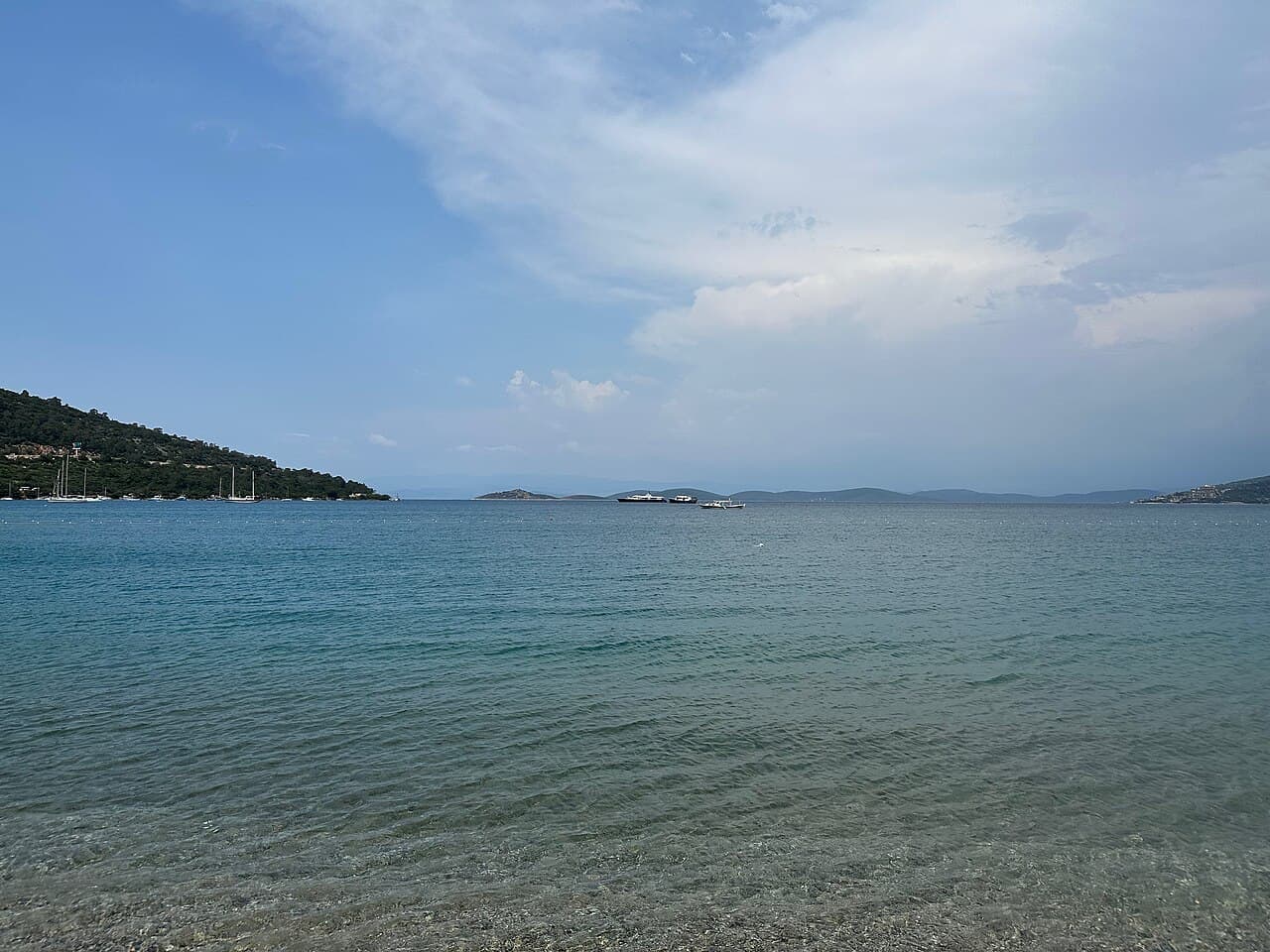
Torba Village Pier and Seafood Culture
In one of the quietest coves closest to Bodrum center, discover a cherished tradition of waterfront seafood and fishing heritage.
Madnasa Ancient City (Kaleyıkığı Tepesi)
Ruins of an important Lelegian city perched on a hilltop west of Türkbükü and Gölköy.
Paradise Cove (Gölköy)
A serene natural cove in the Gölköy region, known for its crystal-clear waters and surrounding pine forests.
Gölköy Shore (tranquil coast)
The quiet, natural beach section of Göltürkbükü, favored by local visitors seeking a peaceful seaside escape.
Türkbükü Pier Fish Culture
A cherished tradition of fresh fish and seafood served on wooden piers jutting into the sea along Türkbükü's coastline.
Gölköy Village Market and Local Products
A small village market set up on the street below Gölköy Mosque, featuring fresh local produce and traditional goods.
Gündoğan Yalı Mosque
A historic seaside mosque known for its right-on-the-water location, restored and reopened for worship.
Peynir Çiçeği Cave
A karst cave formation surrounded by artifacts from the Chalcolithic and Early Bronze Age periods.
Gündoğan Rock Tombs
Hundreds of rock tombs attributed to the Leleg period, scattered across the Gündoğan hillsides.
Gündoğan Ottoman Towers
Ottoman-era tower and watchtower structures perched on the heights of Gündoğan.
Küçükbük Cove
A nostalgic summer retreat nestled between Gündoğan and Gölköy, known for its small and tranquil cove.
Gündoğan Mandarin Groves
A cherished village breakfast tradition set amid mandarin and lemon groves, celebrating local homemade dishes and regional hospitality.
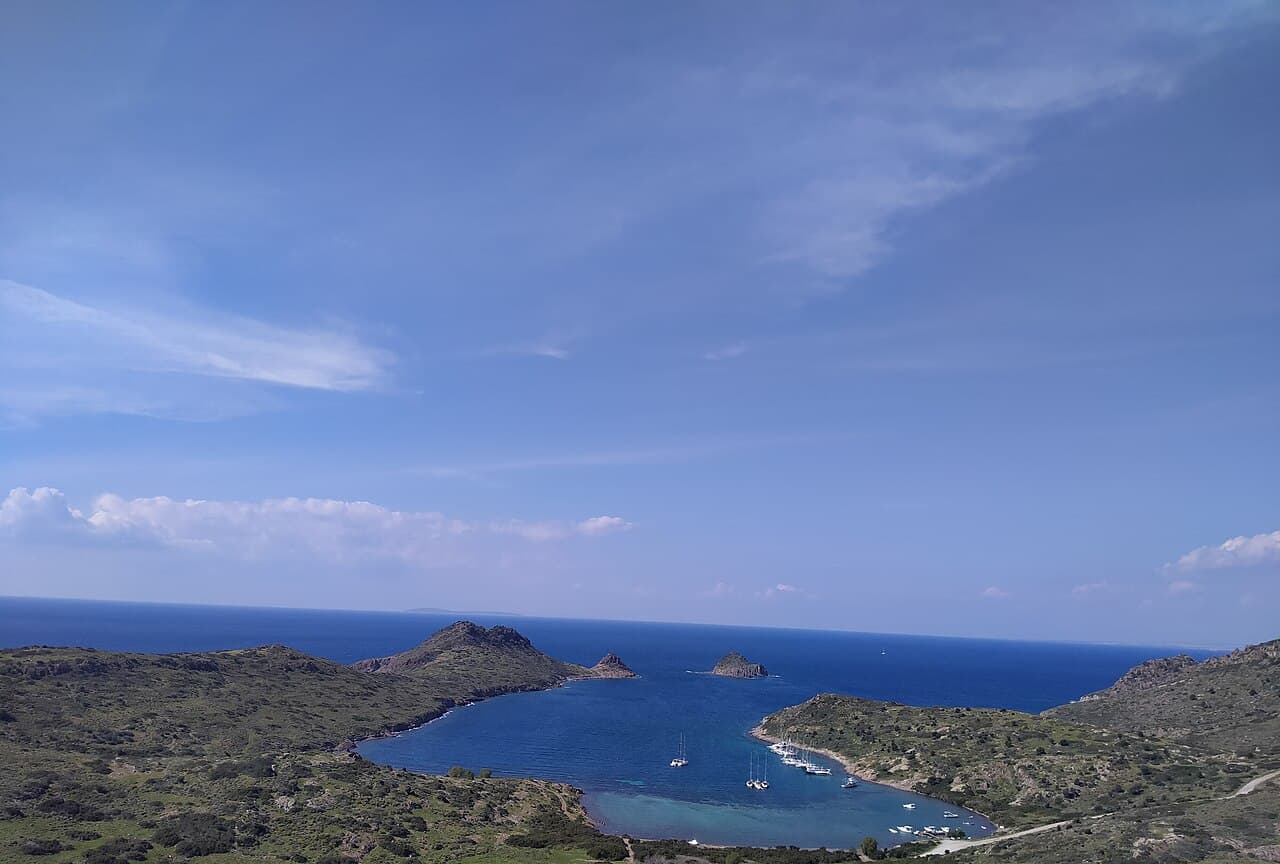
Küdür Peninsula (Natural Site and Küdür Cove)
Declared a strictly protected sensitive area northwest of Yalıkavak, this natural habitat for Mediterranean monk seals offers a tranquil public beach and pristine coastal landscape.
Panormus (Panormos) Rock Tombs
Ancient rock tombs carved into the slopes overlooking the sea and Kızıl Ada at Küdür, attributed to the Lycian/Carian period.
Geriş Hill (Sunset Viewpoint)
Rising south of Yalıkavak, known as 'Bodrum's Tibet', this hilltop offers breathtaking bird's-eye views and is a favoured spot for sunset watching.
Yalıkavak Windmills (Restored Historic Mill)
In Yalıkavak, which boasts the most windmills on the Bodrum peninsula, stands an iconic mill dating from the 1850s that has been lovingly restored and transformed into a charming café.
Yalıkavak Sponge Diving Heritage
Yalıkavak and Bodrum's centuries-old tradition of sponge harvesting alongside fishing, a practice that also contributed to underwater archaeology.
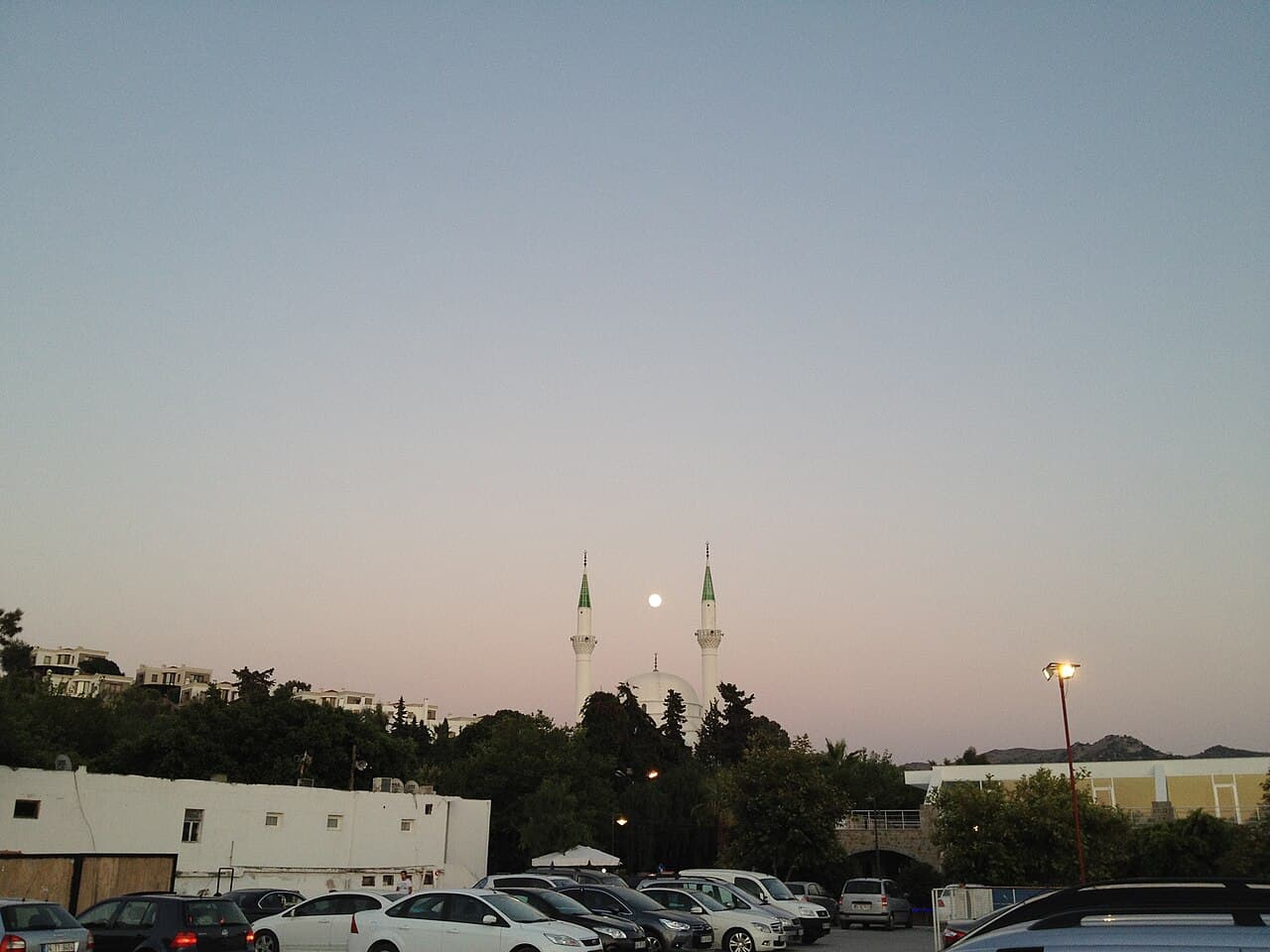
Yalıkavak Old Bazaar and Central Mosque
Beyond the marina's luxury, discover the old village character with its local, affordable shops, stone houses, and the Central Mosque.
Bodrum Mandarin (protected origin)
A unique, aromatic native mandarin grown on the Bodrum Peninsula and officially registered as a protected geographical indication; also available as jam, Turkish delight, and fizzy drinks.
Aegean Wild Herbs Culture and Sea Purslane
A highlight of Yalıkavak's market and cuisine: wild Aegean herbs like radish greens, mallow, and musk mallow, along with sea purslane appetizers.
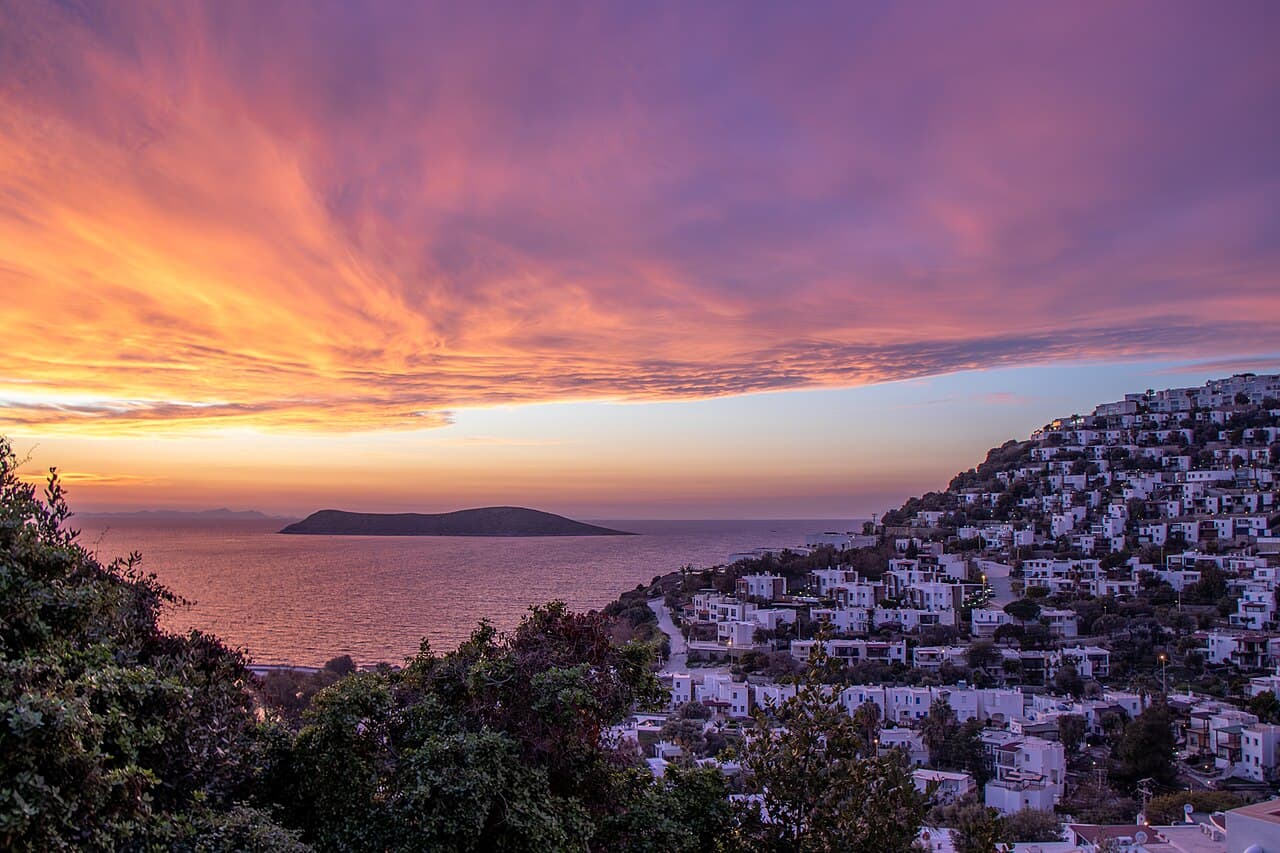
Koyunbaba (Bölme) Public Beach
Located between Gümüşlük and Yalıkavak, this serene public beach features crystal-clear waters on calm days and offers a peaceful escape from the crowds.
Aşıklar Bay (Asko Beach)
Just 5-7 minutes from Gümüşlük town center, this small hidden boutique cove features a mix of pebbles and sand, crystal-clear waters, and a peaceful atmosphere.
Çukurbük Cove
A peaceful, sandy-free cove nestled between Gümüşlük and Yalıkavak, with crystal-clear waters and an open exposure to the wind.
Gümüşlük Ancient Stone Quarry
An open-air ancient stone quarry site where the building stones for the Myndos walls and the famous Mausoleum of Halicarnassus were extracted, freely accessible to visitors.
Gümüşlük Classical Music Festival
An international music festival held every summer since 2004, featuring concerts in an ancient stone quarry, by the seaside, and in a clay house.
King's Road (Underwater Passage to Tavşan Island)
A historic submerged stone pathway in Gümüşlük Bay that leads to Tavşan Island, where visitors can walk through shallow water across sunken stones from ancient Myndos.
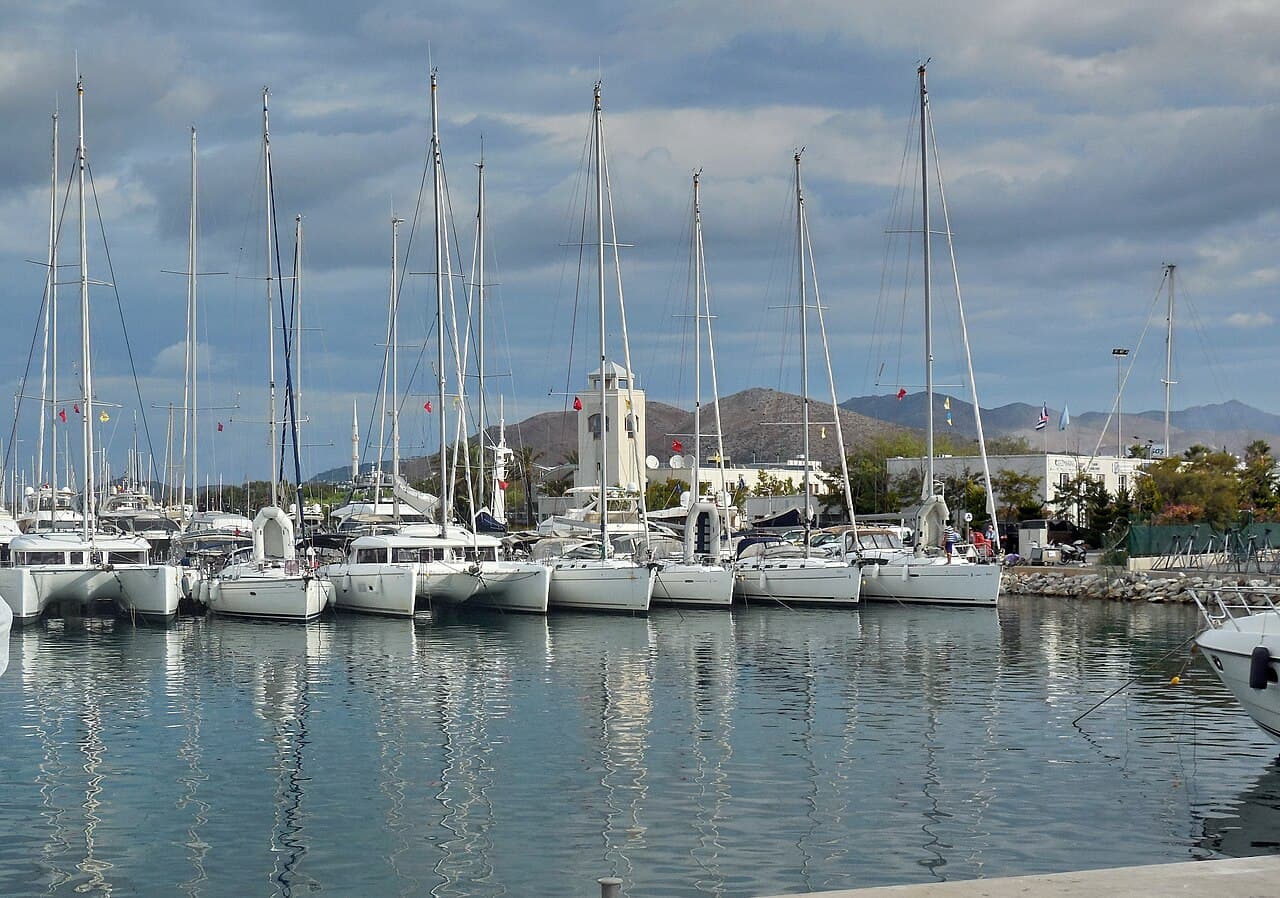
D-Marin Turgutreis
One of Turkey's premier luxury marinas; a charming marina village complete with shops, cafés, and restaurants to explore.
Şevket Sabancı Park
A waterfront park known for sea views, lush palm trees and greenery, perfect for strolling and watching the sunset.
Turgutreis Coastal Road and Atatürk Square
A scenic waterfront walking and cycling path with a vibrant central square; perfect for sunset viewing.
Çatal Ada (Boat Tour)
A fork-shaped island known for its turquoise waters and unspoiled nature, the favorite destination on day boat tours departing from Turgutreis.
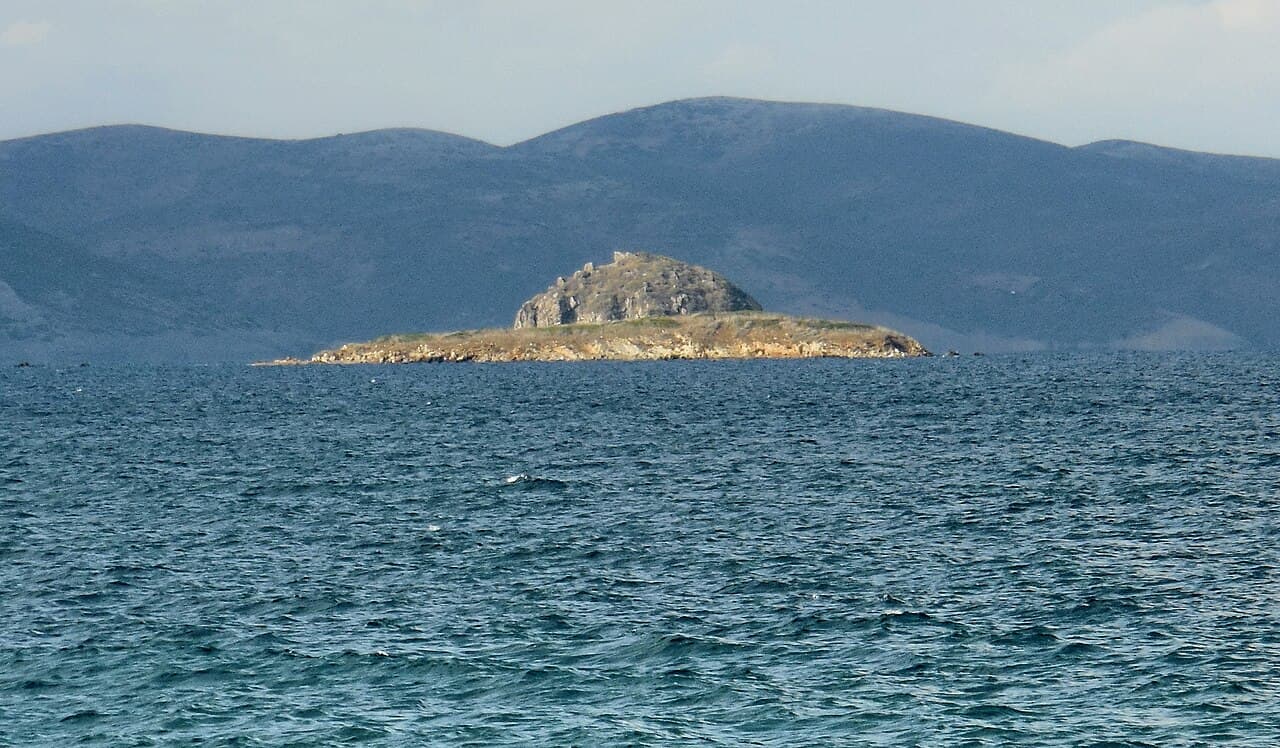
Turgutreis Diving Centers and Diving Sites
Crystal-clear waters and vibrant underwater life make Turgutreis a favored diving destination, with dive routes departing from active diving centers in the area.
Bodrum Mandarin and its Products
Geographically registered local Bodrum mandarins and regional products made from them, including jam, Turkish delight, and lemonade.
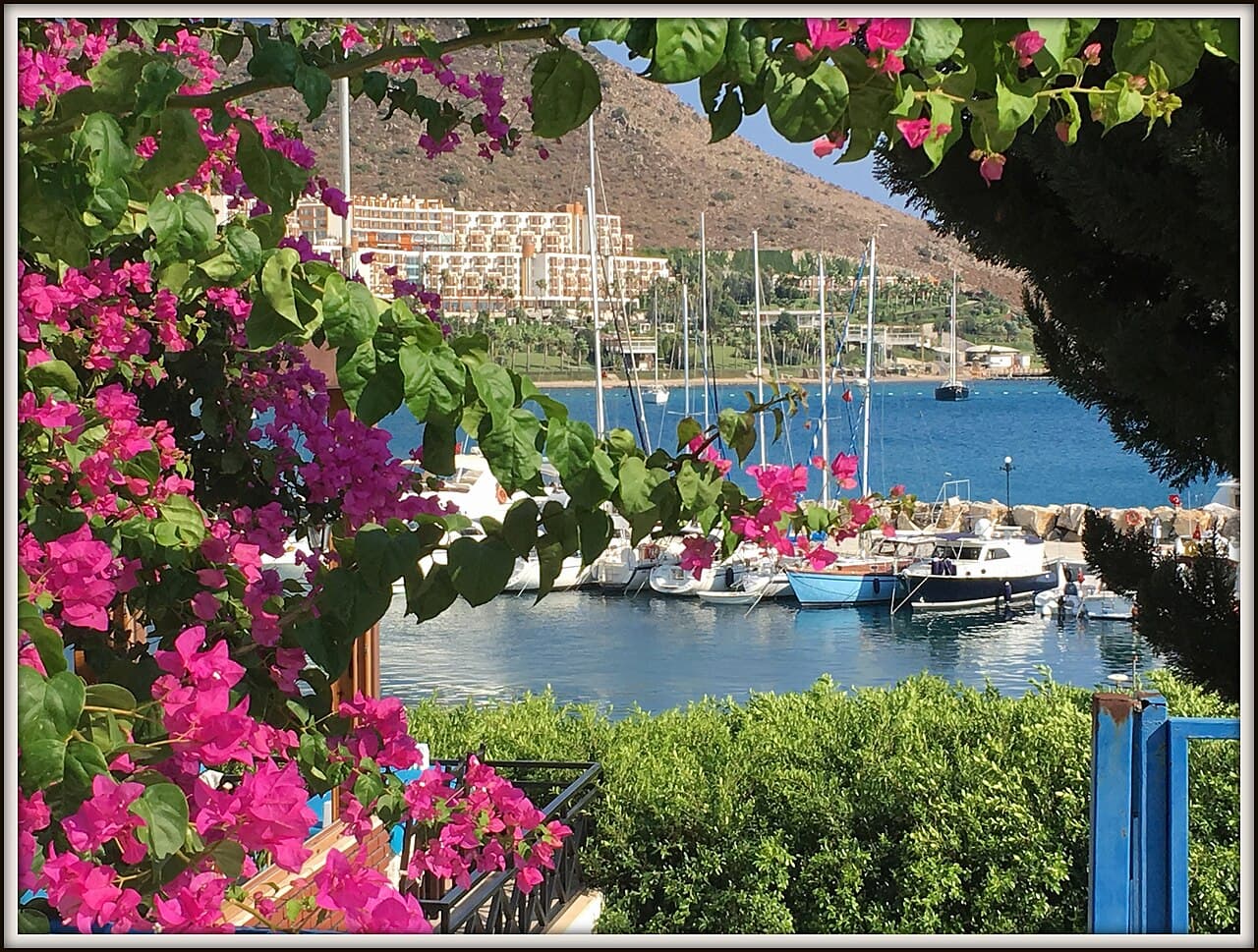
Akyarlar (Kefaluka) Village and Waterfront
A charming old fishing village with Greek heritage, formerly known as Kefaluka; renowned for its secluded, crystalline bay.
Local Seafood and Seaside Fish Restaurants
Seaside fish restaurants offering fresh seafood in and around Akyarlar, a former fisherman's village.
Karabağ Neighborhood and Nature
A peaceful residential area under Turgutreis Municipality, known for its olive groves and natural countryside landscapes.
Peksimet Village and Windmills
A historic inland village famous for its windmills on the hilltop, once one of the Bodrum Peninsula's most populous settlements in the 16th century.
Local Farm Products: Almonds, Figs and Olives
The traditional farm products of the Bodrum peninsula—almonds, figs, and olives—come from the small villages inland and their local producers' finest flavors.
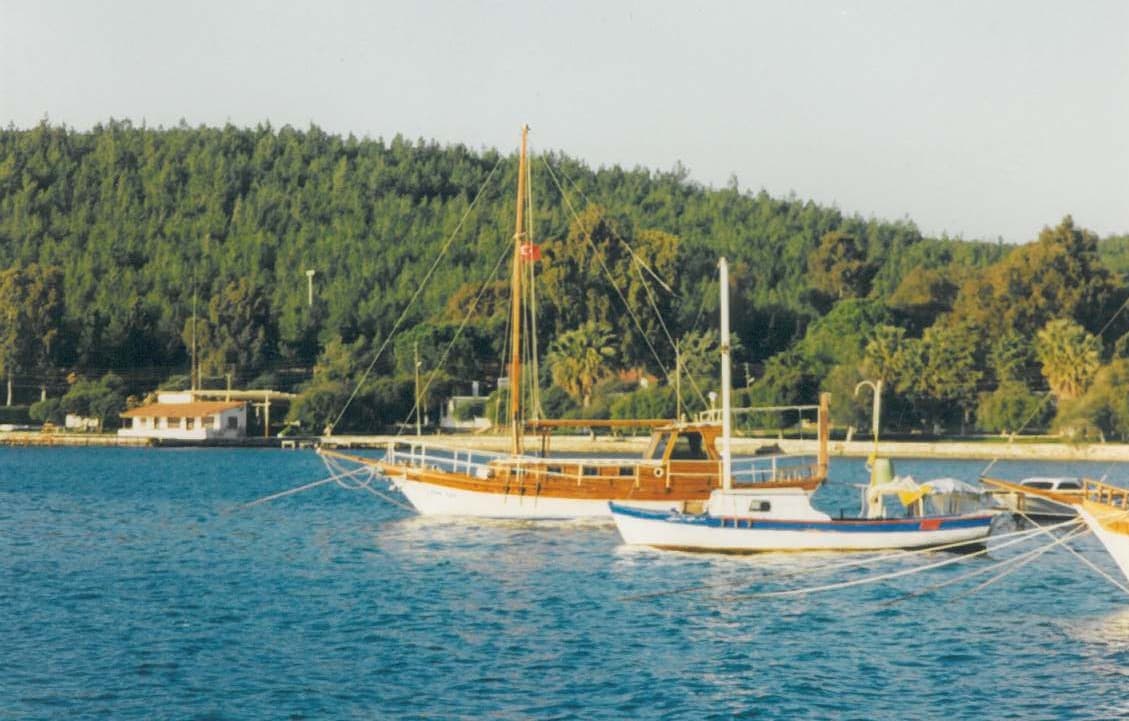
Güvercinlik Cove and Salih Island View
A serene fishing cove surrounded by pine and olive groves; Salih Island sits gracefully in the center of its crystalline waters.
Salih Island (Karyanda?) Harbor Ruins
On an island off Güvercinlik, Hellenistic fortification walls and traces of Byzantine-era harbor structures.
Yalıçiftlik Bays and Countryside
Serene coves opening to Gökova, surrounded by pine forests with scenic walking trails.
Kızılağaç Village and Forest Paths
A peaceful village that preserves its character, with forest trails and fig and olive orchards nestled in nature.
Mumcular Dam and Lake Area
An irrigation and drinking water dam surrounded by pine and olive groves, supplying Bodrum's water needs.
Karaova Almond, Fig, and Carob (Harnup)
Local produce that stands out in the interior region: almonds, figs, and carob—crops as important as olives to the area.
Karaova Valley Goat Cheese
Small-scale homemade goat cheese and dairy products produced in Karaova Valley.
Mazı Village Traditional Stone House Architecture
An authentic Aegean village with whitewashed stone houses and narrow winding streets that capture the essence of traditional Turkish seaside life.
Çamlık Village and Pine Forest Fabric
An inland village nestled within pine forests, preserving its natural character and cherished by locals for its serene atmosphere.
Çamlık Village Breakfast
Aegean village breakfast with hand-rolled gözleme and homemade jams in a village nestled within pine forests.
Theangela Ancient City (Kale Dağı)
A walled ancient Leleg city perched atop Kale Dağı at 538 meters elevation.
Pınarlıbelen Village and Çınar-Fountain Character
A village embodying Yörük-Aegean culture, with fountains integrated around an ancient plane tree, cisterns, and wells.
Dereköy Ancient Terraces and the Leleg Road
Carian agricultural terraces, the Leleg Road route, and balbal stones in the cemetery marking an early Yörük settlement.
Telmissos Ancient Settlement
A Hellenistic Leleg settlement on the hilltop above Gürece village, marked by tower ruins.
Gürece Village Old Mosque and Village Fabric
A village named after the 'Kanlı Pınar' spring, featuring a historic old mosque and traditional stone village architecture.
Akçaalan Plain and Karaova Flatlands
A broad expanse of farmland and natural landscape in the interior, formed by alluvial deposits carried by streams.
Çömlekçi Village
An inland village known since 1891 for viticulture and traditional carpet weaving, offering a glimpse into rural agricultural life.