The Saatli Kule, considered Muğla's iconic symbol, was commissioned in 1895 by the city's first mayor, Hacıkadı Süleyman Efendi. Its architect was the era's celebrated Greek master craftsman, Filivari Usta.\n\nThis tower is far more than a clock face; it is a symbol of the cosmopolitan character of late 19th-century Muğla. The fact that it was built by a Greek master craftsman is itself an architectural expression of the Turkish-Greek neighborhood that existed in Saburhane. The five-story structure, though it has lost some of its former grandeur to modern buildings added around it over time, remains visible from many points across the city.\n\nThe mansion of Hacıkadı Süleyman Efendi, who commissioned the tower, stands just a few steps away — known as Hacıkadı House. When the tower and house are considered together, they tell a complete story of the life and spaces of Muğla's elite at the end of the 19th century.
Saatli Kule (Clock Tower)
Built in 1895 by Hacıkadı Süleyman Efendi, the city's first mayor, and designed by the renowned Greek master craftsman Filivari. Muğla's symbol and an architectural expression of Turkish-Greek togetherness.
Sıkça Sorulan Sorular
Saatli Kule (Clock Tower) nerede ve nasıl bir yer?
Built in 1895 by Hacıkadı Süleyman Efendi, the city's first mayor, and designed by the renowned Greek master craftsman Filivari. Muğla's symbol and an architectural expression of Turkish-Greek togetherness.
Ziyaret saatleri nedir?
Open 24 hours (exterior). Best times for photography: half an hour before sunrise and half an hour before sunset.
Giriş ücreti var mı?
Free (exterior visit only)
Nasıl gidilir?
Located on Atatürk Boulevard, visible from many points throughout the city.
Map
Nearby places

Kurşunlu Mosque
The symbol of Menteşe, a 1493 Beylik-era mosque. Famous for its Rhodes root-dye calligraphy work inside and rare depictions of the Kaaba with sailing ships.

Menteşe Municipality Culture House
A 19th-century mansion of the Şerefliler family. This culture center and café carries the city's cosmopolitan past through its blend of Turkish-Greek architecture.
Yağcılar Hanı
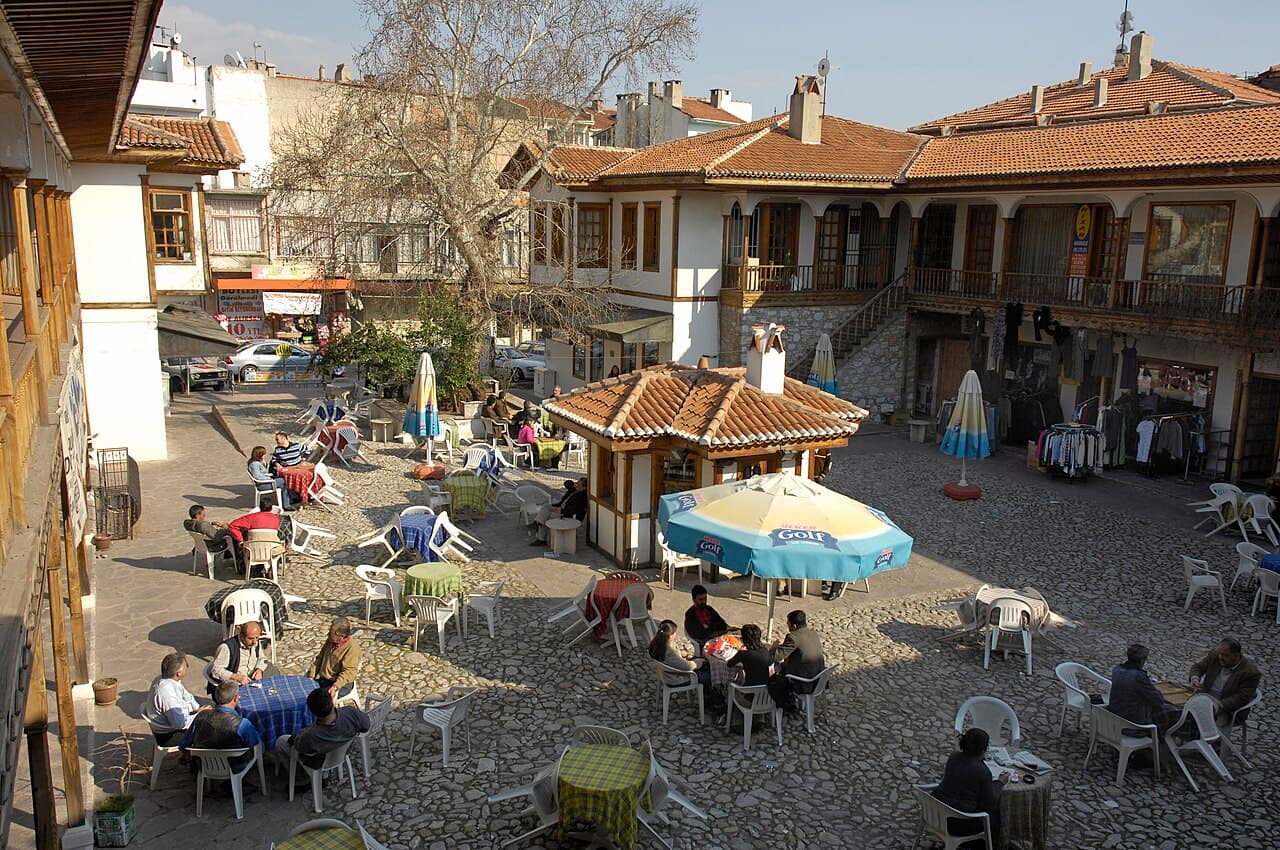
A caravanserai from the Beylik era, dating back to the 14th-15th centuries. Experience the classic Turkish coffee beneath the massive plane tree in its courtyard; browse carpets and local crafts in the surrounding shops.