Labraunda is not just any ancient city—it's the national sacred sanctuary of the Carian civilization. Hidden in the highlands 14 km north of Milas, this complex was the gathering and worship center for all ancient Carians.
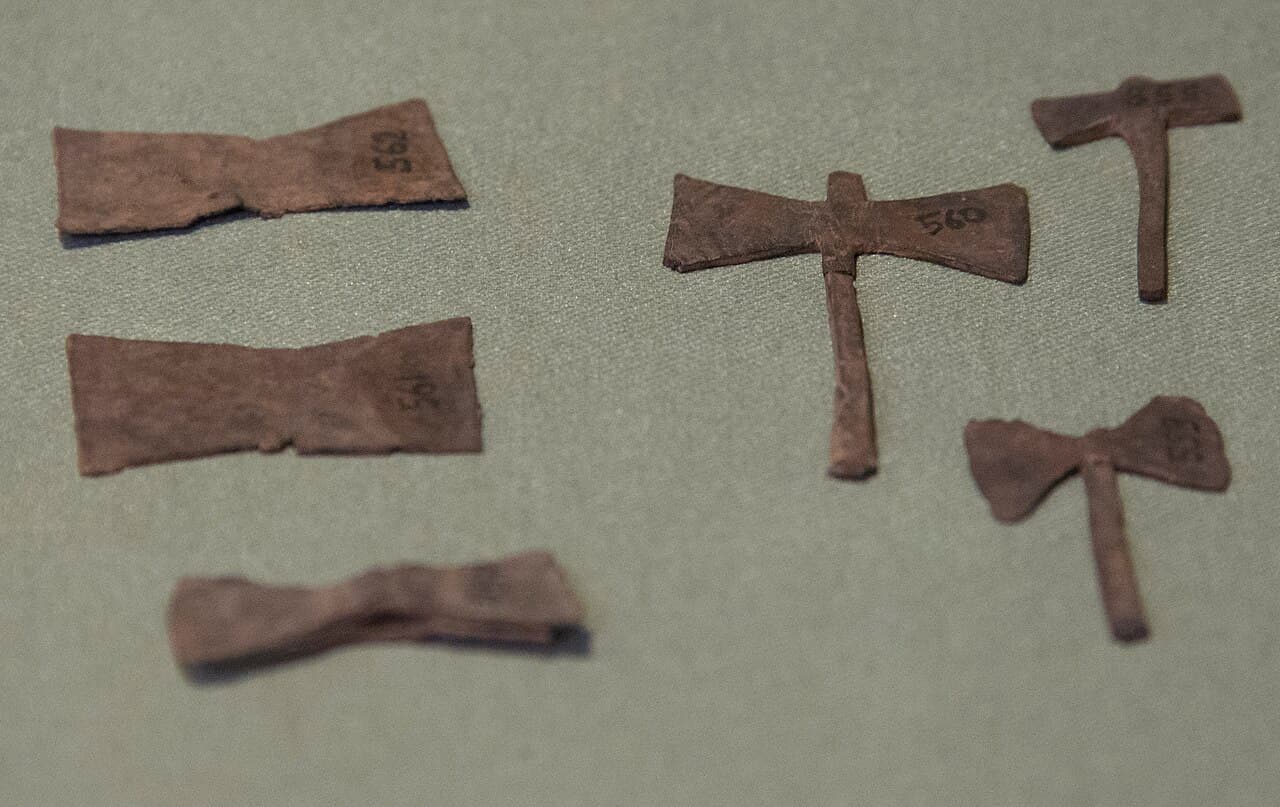
The god of the sanctuary is Zeus Labraundos—symbolized by the double-bladed axe (Labrys). This cult reaches back much further, to the Hittite Sky God Tarhunt. So the temple you see in Labraunda is the uppermost layer of Anatolia's thousands of years of layered belief.
At the heart of the sacred sanctuary stands a rock mass known as "Split Rock," with a spring beneath it. The cult centers on this rock and spring; the temple terrace was built later around this sacred core.
Labraunda's brightest period came in the 4th century BC under Carian Satrap Mausolos (377–352 BC) and his brother Idrieus (351–344 BC). These two brothers—Mausolos being the one who would lend his name to "mausoleum" through his legendary tomb—transformed Labraunda into a family sanctuary and established annual festival traditions lasting five days.
What you can see in Labraunda:
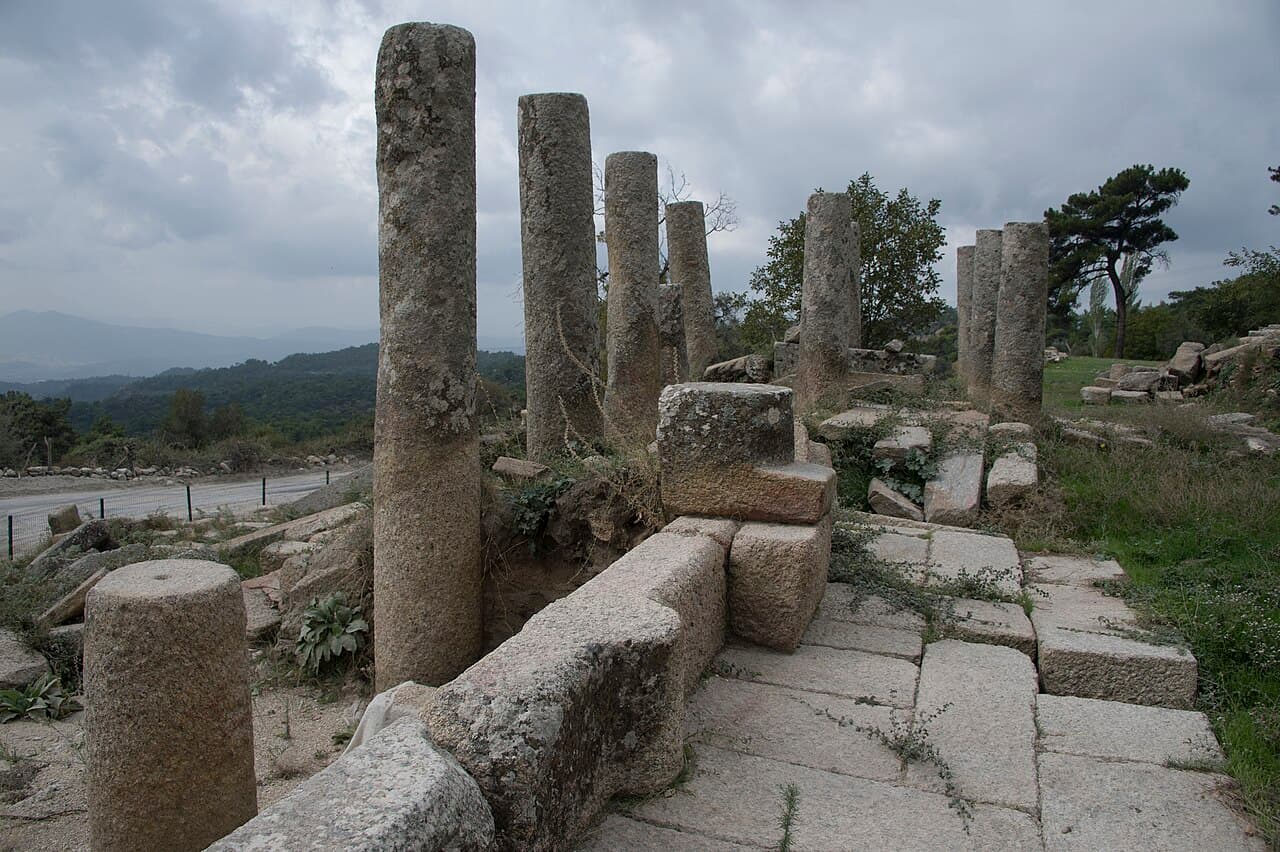
• Temple of Zeus: Six columns on the front, eight on the sides; classic Carian temple plan. • Androns (A and B): Banquet halls used only by men. The entrance to Andron B bears a dedication inscription written by Mausolos himself. • Stoa: A broad columned promenade and gallery. • Propylon: The monumental entrance gateway. • Altars and votive areas.
The Sacred Way: Labraunda was reached via a 14 km long, 8-meter-wide stone-paved road beginning from Mylasa. During festival days, pilgrims from across Caria would walk this road to attend. You can still see traces of it today.