
The name Belen Mosque comes from the word "belen"—meaning hill—and indeed, the structure sits slightly elevated at the foot of Hisarbaşı hill. The exact date of construction is unknown, but its architectural features date it to the 14th century. According to some sources, Hoca Mukbil converted it from a church into a mosque. In 1750, Mehmet Sait Ağa, and then in 1811, Ömer Ağa, built the minaret that gave the building its present form. When you step inside, four antique columns greet you—and they tell this mosque's true story. These columns came from another ancient structure. Two of them have capitals in the Corinthian order. In other words, they were brought here in the 14th century from a temple in Mylasa, perhaps from the era of Hekatomnos, or from some other public building—and installed here. This is a prime example of continuity you often see in Anatolian mosque architecture: building stones circulate across centuries, a column that once served ancient gods becomes the backbone of a new place of faith.
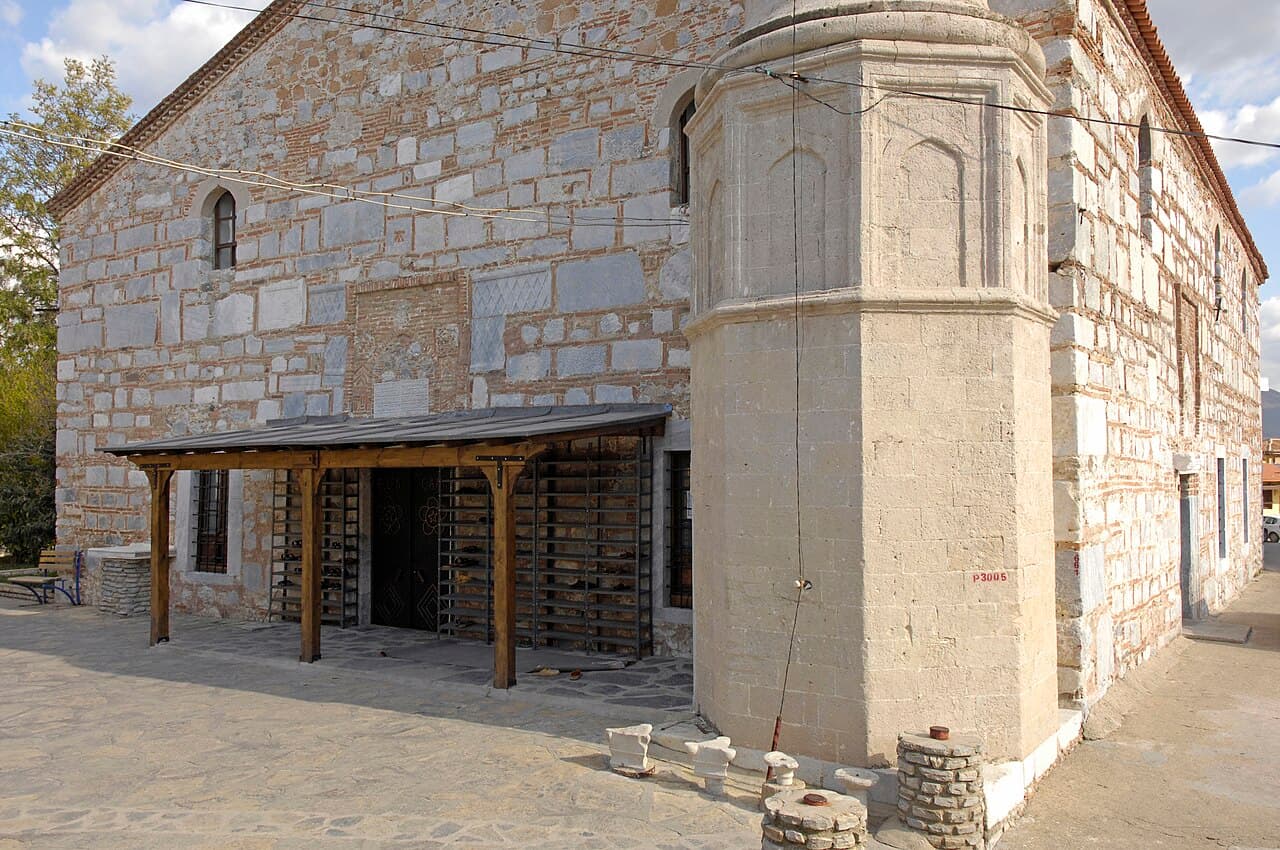
Belen Mosque
Built in the 14th century; a small mosque at the foot of Hisarbaşı hill, believed to have been converted from an ancient church. The antique columns inside are striking.
Frequently Asked Questions
Where is Belen Mosque and what is it like?
Built in the 14th century; a small mosque at the foot of Hisarbaşı hill, believed to have been converted from an ancient church. The antique columns inside are striking.
What are the visiting hours?
Open to visitors outside prayer times.
Is there an entrance fee?
Free
How do I get there?
100 metres from the Carpet Museum, within walking distance.
Map
Nearby places
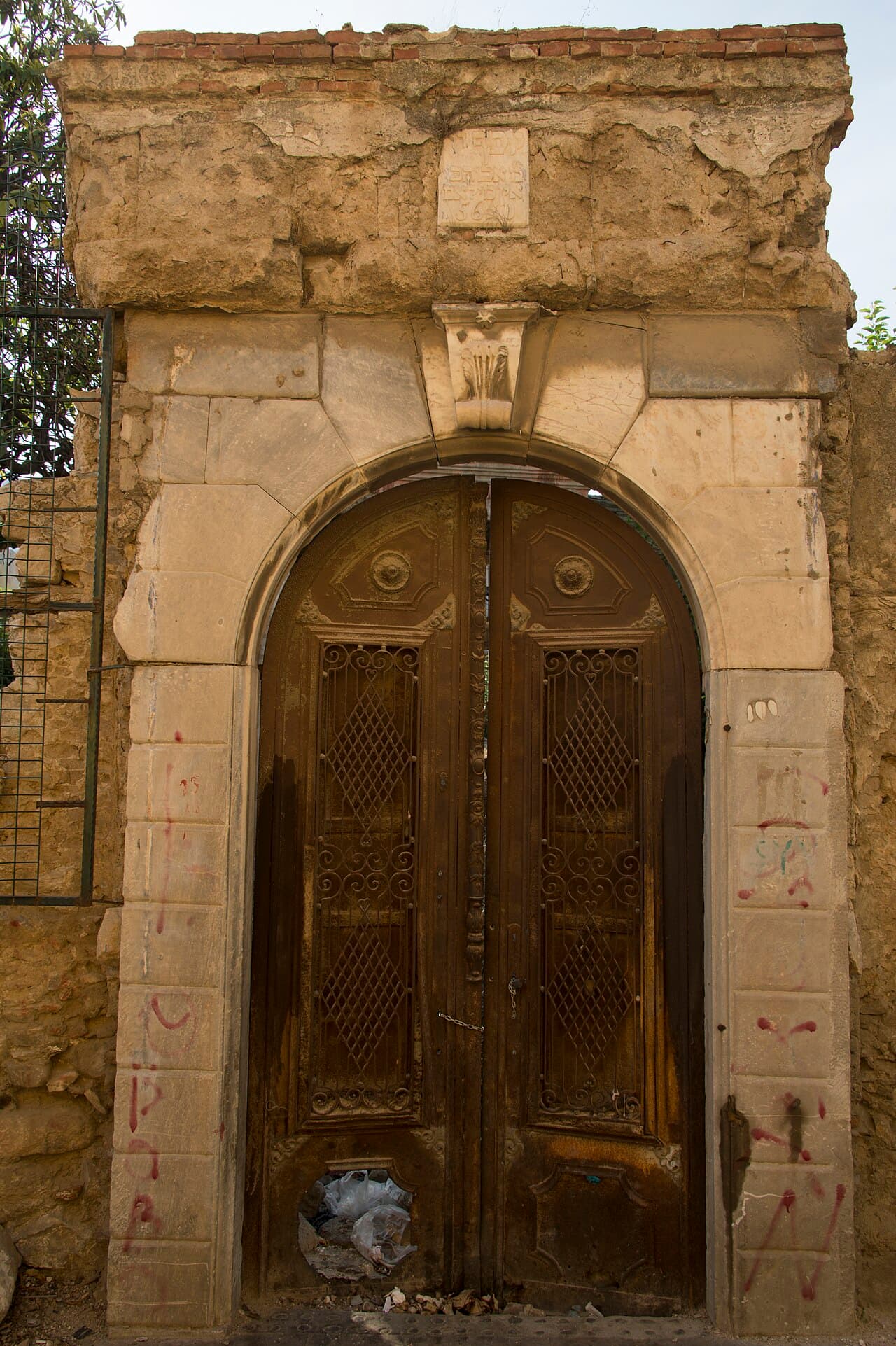
Hekatomnos Monument Tomb (Uzunyuva)
The "discovery of the century," uncovered in 2010. The 4th-century BCE tomb of Karia Satrap Hekatomnos; predecessor to the Mausoleum of Halicarnassus. On UNESCO's Tentative List.
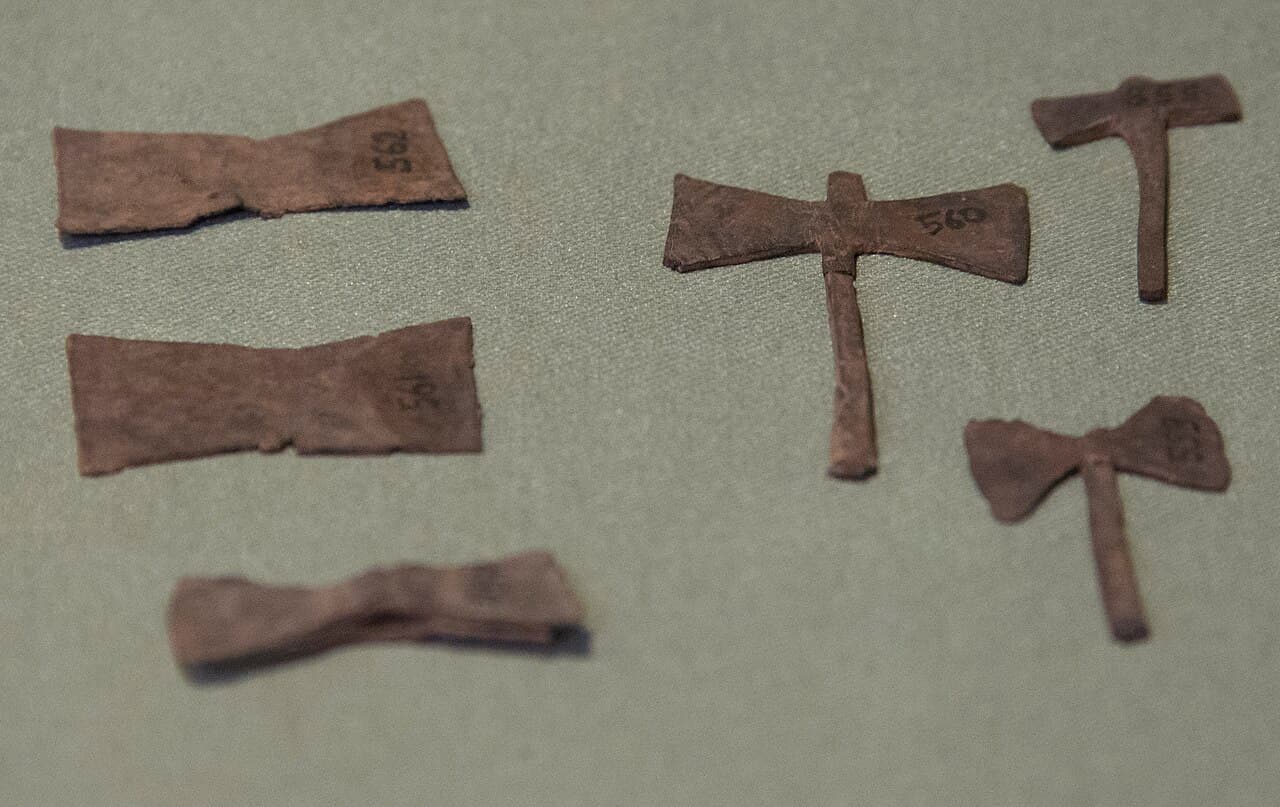
Milas Museum
A regional museum opened in 1987. It houses Carian, Roman, and Byzantine period artifacts from excavations at Mylasa, Labraunda, Euromos, and Iasos.
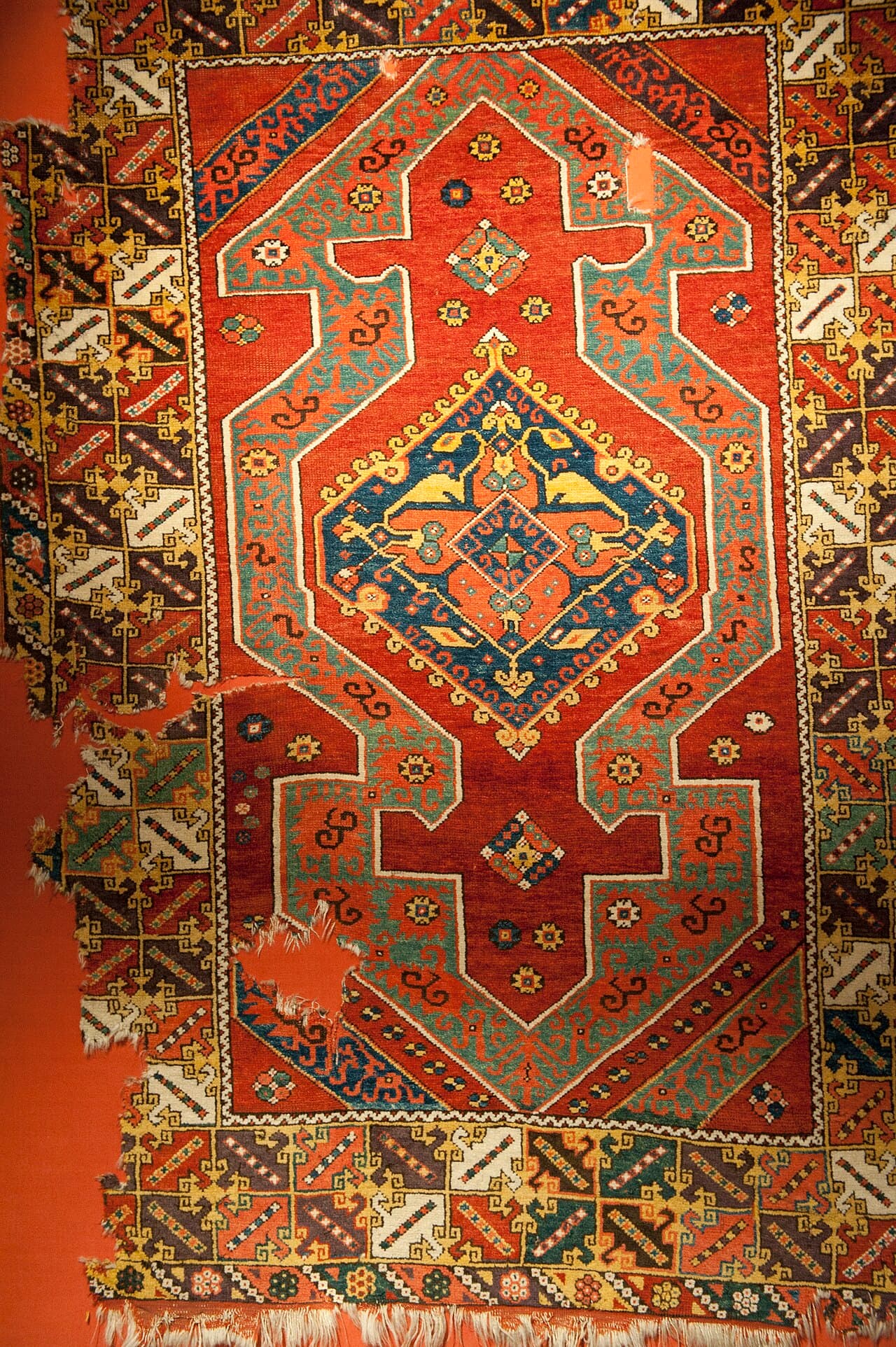
Milas Carpet Museum
A museum of Milas carpet weaving, known since the 17th century. Looms, weaving techniques, and distinctive patterns — a collection with few equals in Turkey.
Booking & Tickets
The links below are from our partners. If you book through them, we may earn a commission at no extra cost to you.